Subacute rehabilitation is the recommended clinical pathway when a patient requires 24/7 medical monitoring, sterile environment controls, or frequent medication adjustments that cannot be safely executed in a residential setting. Unlike the intermittent nature of home health visits, subacute centers provide immediate intervention for complications related to complex wounds or IV therapy, significantly reducing the risk of hospital readmission and ensuring a stable, professionally supervised recovery.
When Home Health Isn’t Enough: 4 Critical Indicators
Choosing between returning home with a visiting nurse or entering a specialized facility is a pivotal decision for long-term recovery. While the comfort of a private residence is appealing, medical complexity often demands a more robust clinical infrastructure. During a recent clinical audit for a healthcare partner in Voorhees, NJ, we identified four primary indicators where a subacute setting is medically necessary:
- Stage III or IV Pressure Ulcer Management: Deep tissue wounds require specialized equipment like Wound Vacs and debridement that must be monitored hourly for signs of sepsis.
- Frequent IV Antibiotic Administration: Patients requiring infusions three or more times daily face logistical strain and higher infection risks at home.
- High Risk of Secondary Infections: Controlled, clinical environments minimize exposure to household pathogens that compromise fragile immune systems.
- 24-Hour Nursing Intervention: Complications like spiked fevers or dislodged lines require immediate on-site response times that home health cannot provide.
This level of oversight is a primary reason why families searching for nursing homes in Voorhees, NJ, prioritize facilities with dedicated subacute wings rather than traditional custodial care.
Facility-Based Care vs. Home-Based Care: A Risk Comparison
To understand why a facility is the safer choice, one must look at the response times and monitoring frequencies. When evaluating a rehabilitation center in Voorhees, NJ, families should prioritize structural advantages that mitigate the “revolving door” of hospital readmissions.
| Feature | Subacute Rehabilitation Facility | Home Health Care |
| Monitoring Frequency | Continuous / 24-7 Nursing | Intermittent (1–3 hours per day) |
| Emergency Response | Immediate (On-site staff) | Delayed (Depends on 911/Transport) |
| Infection Control | Hospital-Grade Protocols | Variable (Home Environment) |
| Therapy Access | Daily, On-site Gyms | Weekly, Travel-Dependent |
For patients transitioning from acute hospital stays, the gaps in home care can lead to serious setbacks, particularly for those who originally sought assisted living in Voorhees, NJ, but now require higher-tier medical intervention.
Debunking the “Home is Always Safer” Myth
A common industry misconception is that a patient will always heal faster in a home environment. While emotional well-being is vital, “comfort” can mask clinical danger; family caregivers are rarely trained to spot the early, subtle signs of fluid overload or internal infection. In our experience assisting families with nursing home & elder care in Voorhees, NJ, we find that recovery is actually accelerated when the “burden of care” is removed from the family, allowing the patient to focus entirely on their physical therapy.
The Autumn Lake Approach: Our Signature Recovery Protocol
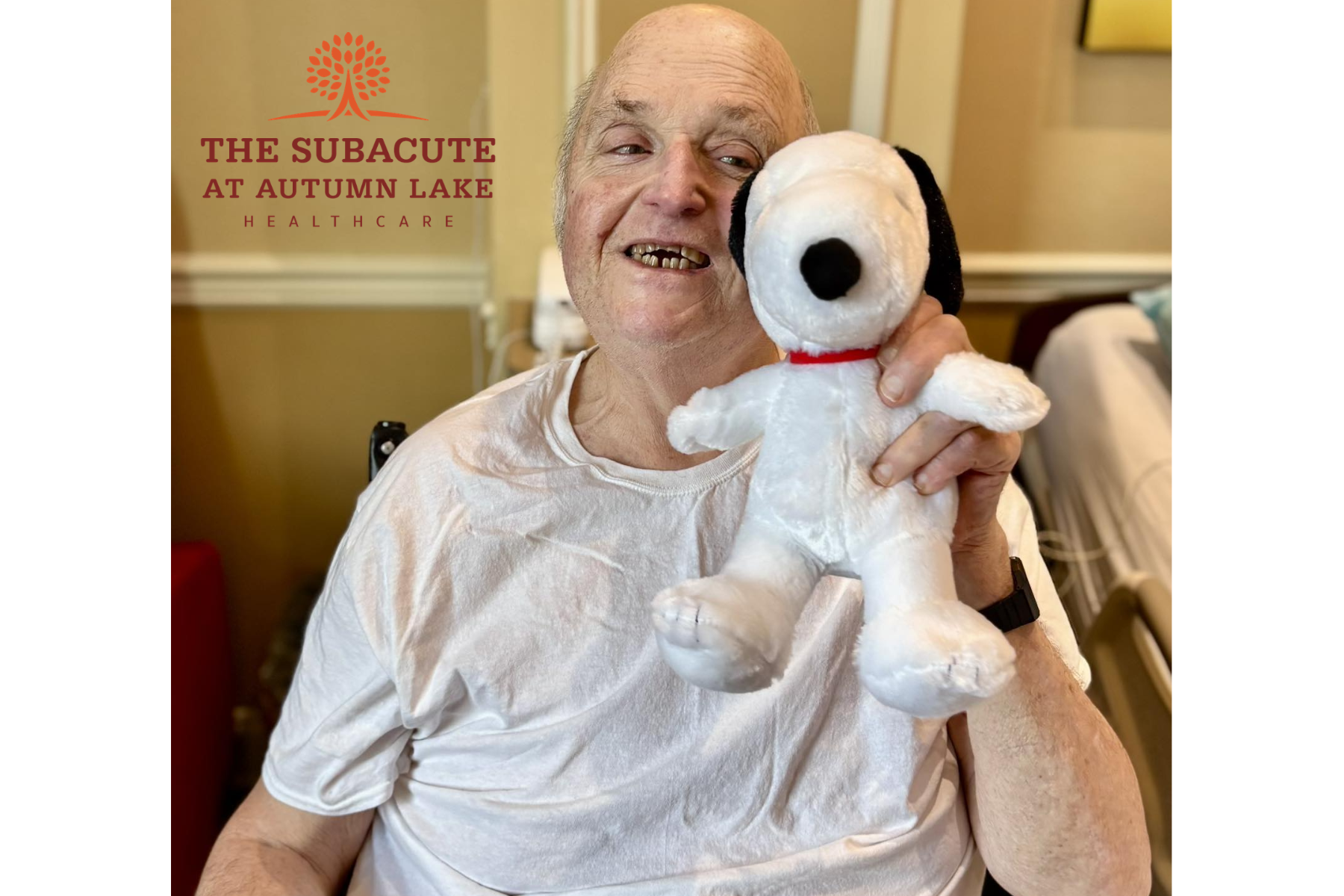
We solve the challenge of recovery by offering rehabilitative therapy in an energetic, positive environment, where personal goals are encouraged and recovery milestones celebrated. Each resident receives an individualized recovery plan that adapts to their needs as they progress and improve. Our multidisciplinary team is known for its engaging, outcome-focused approach, which incorporates progressive, hands-on rehabilitation techniques to restore strength, mobility, and independence. This specialized methodology is often what sets us apart from those researching senior living in Voorhees.
Our singular focus is on creating a warm, inviting atmosphere. Our team of physicians, nurses, and therapists works round-the-clock to merge expert medical care with a vibrant quality of life. With a daily schedule packed with activities, plenty of outdoor and indoor spaces for socializing, and a proactive approach to health & wellness, our residents can continue to lead a rich, active lifestyle. And, just like home, family members and friends are always welcome to drop by.
Clinical Excellence with Residential Amenities
Choosing subacute care does not mean sacrificing dignity or privacy. Residents enjoy a delightful dining experience and can choose to join us in our dining room or to stay in the privacy of their own room. To ensure a seamless transition for every nursing home & elder care resident, we provide:
- Private or semi-private rooms with personal space.
- TVs, Internet Access, and Individual Phones to stay connected.
- Lounges and activity areas for social engagement.
- Full-service dining, Housekeeping, and Laundry to remove the stress of daily chores.
Financial Navigation and Admissions
We understand that the transition to a facility involves significant financial planning. To make this as stress-free as possible, our admissions team handles the heavy lifting of insurance verification and paperwork. We accept Medicare, Medicaid, most insurances, and private pay. Our goal is to ensure your focus remains on your recovery milestones rather than the complexities of healthcare reimbursement.
Frequently Asked Questions
What is the difference between subacute care and a regular nursing home?
Subacute care is a high-intensity, short-term rehabilitative service aimed at transitioning a patient from the hospital back to their home. A regular nursing home typically focuses on long-term custodial care for those who can no longer live independently.
How long does a typical subacute rehab stay last for wound care?
The duration varies, but many patients spend between 2 and 6 weeks in subacute care to ensure the infection is cleared and the tissue is regenerating properly before returning home.
Can I choose my subacute facility during hospital discharge?
Yes. As a patient or family member, you have the legal right to choose your provider. You should request a facility that specializes in your specific clinical needs, such as IV therapy or complex wound management.
To Sum Up
At Autumn Lake Healthcare, we are dedicated to helping our residents return to their highest level of function through expert clinical care and a compassionate community.
Would you like us to help you navigate the transition from hospital to healing? Learn more about our specialized subacute programs, contact us, or schedule a tour!