How to Transition from Hospital to Subacute Rehab: A Step-by-Step Discharge Guide

To transition from a hospital to subacute rehab, a physician must formally certify medical necessity and, for traditional Medicare coverage, verify a “3-day qualifying inpatient stay.” The process involves a coordinated referral from a hospital social worker to a subacute facility’s admissions team, followed by an insurance clinical review and the arrangement of specialized medical transportation.

The Critical Window: Understanding the Hospital-to-Rehab Pipeline

The period between hospital stabilization and rehabilitation admission is the “transition of care.” This phase is high-stakes; if the handoff lacks precision, recovery can stall. Subacute rehabilitation serves as the bridge for patients who are no longer in an acute crisis but are not yet strong enough to manage physical demands at home. Whether you are recovering from a complex surgery, a stroke, or a cardiac event, the goal of subacute care is to provide a higher frequency of therapy than one would receive at a standard nursing home in Voorhees, NJ.

Step 1: Physician Certification and the 3-Day Rule

The first hurdle is clinical documentation. A hospital physician must document that the patient requires “skilled” care—services only a licensed nurse or therapist can provide. For those utilizing traditional Medicare, the “3-day qualifying stay” is a strict requirement, meaning the patient must have been admitted as an “inpatient” for at least three consecutive midnights. During a recent audit for a senior living in Voorhees, NJ, we noted that families often confuse “observation status” with “inpatient status,” which can impact coverage. Always clarify this status with the hospital case manager early in the stay.

Step 2: Selecting the Facility and Clinical Review

Once the need for subacute care is established, the hospital’s social worker sends the patient’s clinical charts to potential facilities. This “referral packet” includes current vitals, medication lists, and physical therapy baselines. Selecting the right environment is vital; you are looking for a nursing home and rehabilitation center in Voorhees, NJ, that aligns with specific recovery goals. The receiving facility’s clinical team will review these records to ensure they have the specialized equipment and staffing levels necessary to support the patient’s acuity level.

Step 3: Insurance Pre-Authorization and Financial Planning

Before the transport is booked, insurance providers must give the “green light.” This involves a clinical coordinator from the rehab center communicating with your insurance provider to prove that the level of care requested is “medically necessary.” Understanding your coverage is essential for peace of mind. At our partner facilities, we accept Medicare, Medicaid, most private insurances, and private pay. Each of these carries different requirements for “prior authorization,” and our administrative teams work to navigate these hurdles so that the patient can focus entirely on physical progress.

Applying our “Continuum-First Clinical Framework” to Solve This

We offer rehabilitative therapy in an energetic, positive environment, where personal goals are encouraged and recovery milestones celebrated. Each resident receives an individualized recovery plan that adapts to their needs as they progress and improve. Our multidisciplinary team is known for its engaging, outcome-focused approach, which incorporates progressive, hands-on rehabilitation techniques to restore strength, mobility, and independence. This framework reduces the “transition lag” often seen in assisted living in Voorhees by ensuring therapy starts immediately upon arrival.

Step 4: The Logistical Transfer and Bedside Handoff

The final step is the physical move. Most subacute transitions require non-emergency medical transportation (NEMT), such as an ambulance or a specialized van, especially if the patient is non-ambulatory or requires oxygen. During the move to a rehabilitation center in Voorhees, the hospital nurse provides a “verbal handoff” to the receiving nurse. This ensures that the first dose of medication at the new facility is timed perfectly and that any skin integrity issues or dietary restrictions are communicated immediately to the clinical team.


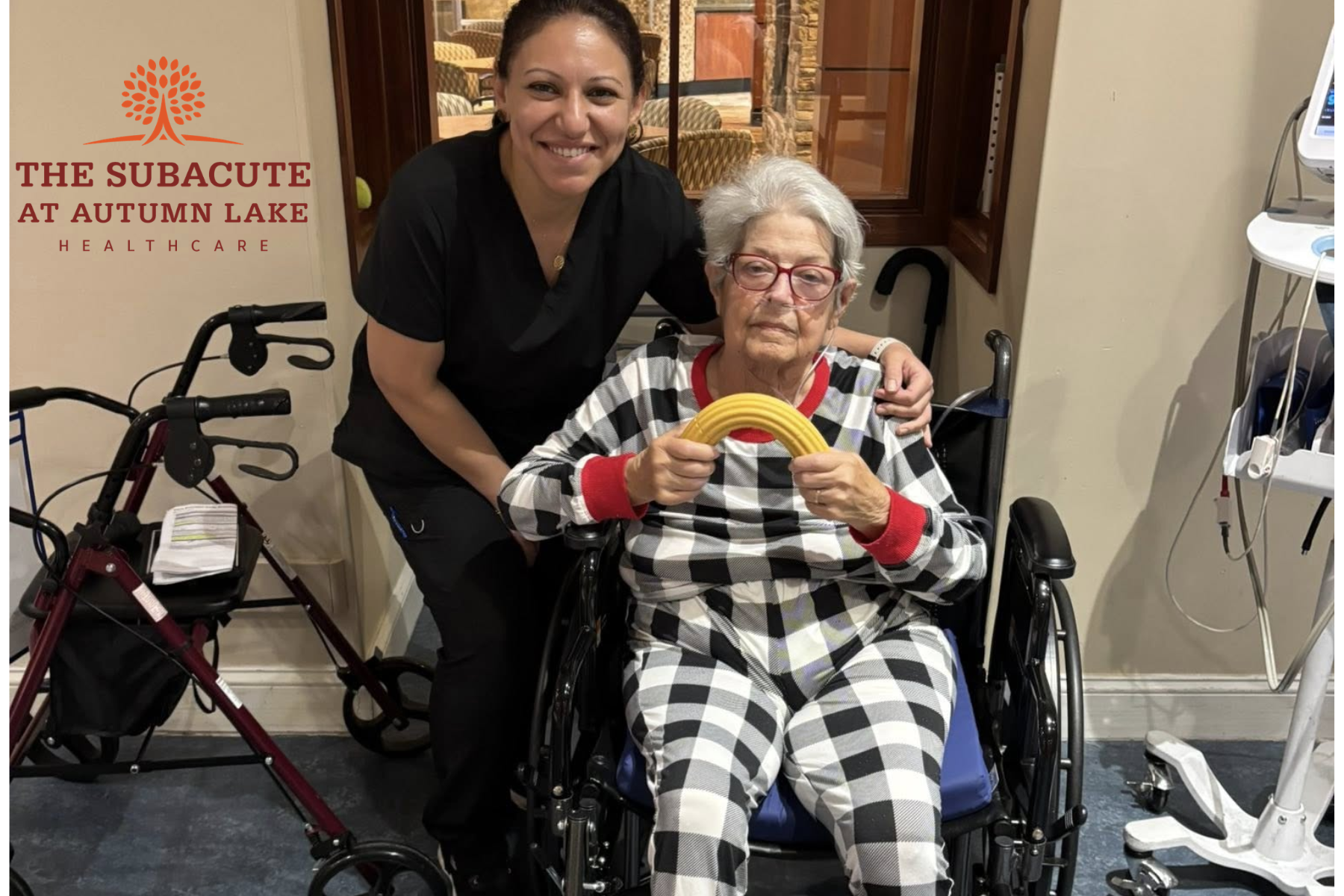
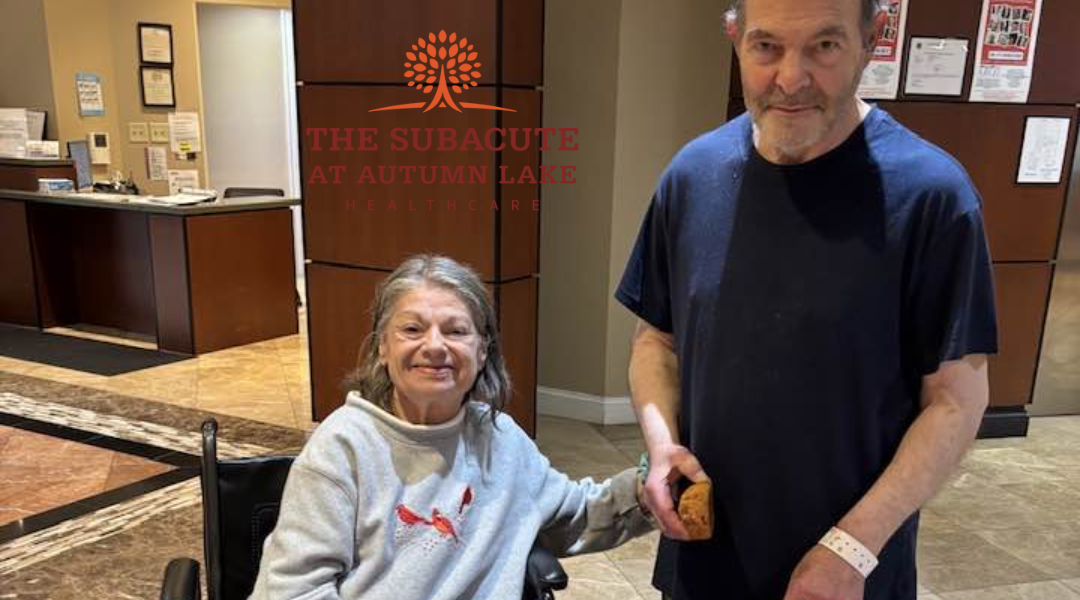
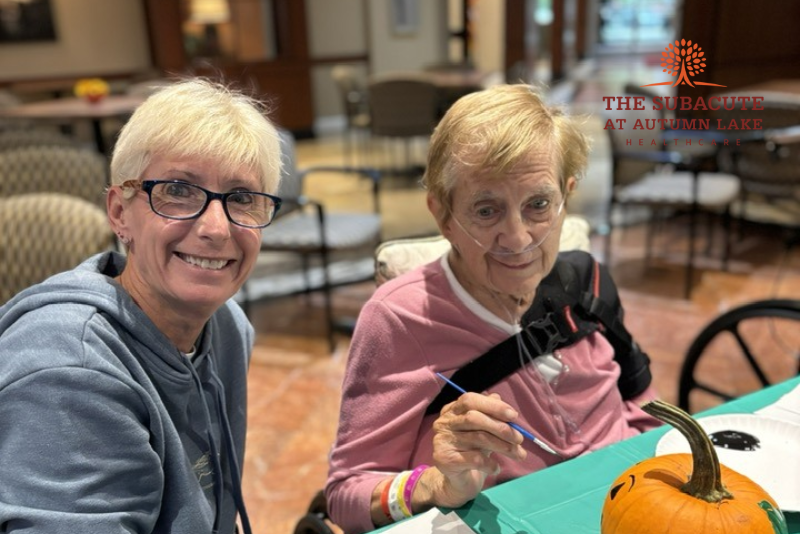
A smiling caregiver poses with an assisted living resident in a wheelchair who is holding a yellow therapeutic hand exerciser.


A Life Centered on Wellness: The Subacute Environment

Our singular focus is on creating a warm, inviting atmosphere. Our team of physicians, nurses, and therapists works round-the-clock to merge expert medical care with a vibrant quality of life. With a daily schedule packed with activities, plenty of outdoor and indoor spaces for socializing, and a proactive approach to health and wellness, our residents can continue to lead a rich, active lifestyle. And, just like home, family members and friends are always welcome to drop by. We believe that recovery happens faster when a patient feels connected to their community.

Premium Amenities for Your Recovery Stay

To support this vibrant lifestyle, we provide an environment that mirrors the comforts of home while offering the clinical safety of a hospital:

  • Private or semi-private rooms: Designed for rest and personal space.
  • TVs and Internet Access: Keeping you connected.
  • Lounges and activity areas: For social engagement and relaxation.
  • Full-service dining options: Residents enjoy a delightful dining experience and can choose to join us in our dining room or stay in the privacy of their own room.
  • Phone for each guest/resident: Ensuring direct lines of communication.
  • Housekeeping, Laundry, and Linen services: Allowing the resident to focus solely on rehabilitation.

Debunking the Myth: “The Hospital Decides Exactly Where You Go”

A common industry misconception is that the hospital discharge planner has the final authority on where a patient is placed. In reality, Patient Choice Laws mandate that the patient and their family have the right to select their preferred facility. While a social worker may provide a list of local options, the ultimate decision rests with you. You are encouraged to tour facilities and check clinical outcomes before selecting the environment that best fits your needs.

Frequently Asked Questions

Does Medicare pay for 100% of subacute rehab? Medicare Part A typically covers 100% of the cost for the first 20 days of a stay in a skilled nursing facility, provided there was a 3-day qualifying hospital stay. From days 21–100, there is a daily co-insurance requirement.

What is the difference between subacute care and a regular nursing home? Subacute care is short-term and goal-oriented, focusing on intensive therapy to return a patient home. A regular nursing home often refers to long-term custodial care for those who need ongoing assistance with daily living activities.

How many hours of therapy will I receive in subacute rehab? Most subacute patients receive between 1 and 2 hours of therapy per day, spread across physical, occupational, and speech therapy disciplines based on their specific tolerance.

To Sum Up

At Autumn Lake Healthcare, we are dedicated to helping you or your loved one regain the strength needed to return to the life you love. Experience the difference of a clinical team that treats you like family.

Ready to plan your transition? Contact us today or schedule a tour to learn more about our outcome-focused approach and premium amenities.

Why Subacute Rehabilitation is Recommended Over Home Health for Complex Wound Care and IV Therapy

Subacute rehabilitation is the recommended clinical pathway when a patient requires 24/7 medical monitoring, sterile environment controls, or frequent medication adjustments that cannot be safely executed in a residential setting. Unlike the intermittent nature of home health visits, subacute centers provide immediate intervention for complications related to complex wounds or IV therapy, significantly reducing the risk of hospital readmission and ensuring a stable, professionally supervised recovery.

When Home Health Isn’t Enough: 4 Critical Indicators

Choosing between returning home with a visiting nurse or entering a specialized facility is a pivotal decision for long-term recovery. While the comfort of a private residence is appealing, medical complexity often demands a more robust clinical infrastructure. During a recent clinical audit for a healthcare partner in Voorhees, NJ, we identified four primary indicators where a subacute setting is medically necessary:

  1. Stage III or IV Pressure Ulcer Management: Deep tissue wounds require specialized equipment like Wound Vacs and debridement that must be monitored hourly for signs of sepsis.
  2. Frequent IV Antibiotic Administration: Patients requiring infusions three or more times daily face logistical strain and higher infection risks at home.
  3. High Risk of Secondary Infections: Controlled, clinical environments minimize exposure to household pathogens that compromise fragile immune systems.
  4. 24-Hour Nursing Intervention: Complications like spiked fevers or dislodged lines require immediate on-site response times that home health cannot provide.

This level of oversight is a primary reason why families searching for nursing homes in Voorhees, NJ, prioritize facilities with dedicated subacute wings rather than traditional custodial care.

Facility-Based Care vs. Home-Based Care: A Risk Comparison

To understand why a facility is the safer choice, one must look at the response times and monitoring frequencies. When evaluating a rehabilitation center in Voorhees, NJ, families should prioritize structural advantages that mitigate the “revolving door” of hospital readmissions.

Feature Subacute Rehabilitation Facility Home Health Care
Monitoring Frequency Continuous / 24-7 Nursing Intermittent (1–3 hours per day)
Emergency Response Immediate (On-site staff) Delayed (Depends on 911/Transport)
Infection Control Hospital-Grade Protocols Variable (Home Environment)
Therapy Access Daily, On-site Gyms Weekly, Travel-Dependent

For patients transitioning from acute hospital stays, the gaps in home care can lead to serious setbacks, particularly for those who originally sought assisted living in Voorhees, NJ, but now require higher-tier medical intervention.

Debunking the “Home is Always Safer” Myth

A common industry misconception is that a patient will always heal faster in a home environment. While emotional well-being is vital, “comfort” can mask clinical danger; family caregivers are rarely trained to spot the early, subtle signs of fluid overload or internal infection. In our experience assisting families with nursing home & elder care in Voorhees, NJ, we find that recovery is actually accelerated when the “burden of care” is removed from the family, allowing the patient to focus entirely on their physical therapy.


A nursing home resident smiles while holding a Snoopy plush toy while seated in his room.


The Autumn Lake Approach: Our Signature Recovery Protocol

We solve the challenge of recovery by offering rehabilitative therapy in an energetic, positive environment, where personal goals are encouraged and recovery milestones celebrated. Each resident receives an individualized recovery plan that adapts to their needs as they progress and improve. Our multidisciplinary team is known for its engaging, outcome-focused approach, which incorporates progressive, hands-on rehabilitation techniques to restore strength, mobility, and independence. This specialized methodology is often what sets us apart from those researching senior living in Voorhees.

Our singular focus is on creating a warm, inviting atmosphere. Our team of physicians, nurses, and therapists works round-the-clock to merge expert medical care with a vibrant quality of life. With a daily schedule packed with activities, plenty of outdoor and indoor spaces for socializing, and a proactive approach to health & wellness, our residents can continue to lead a rich, active lifestyle. And, just like home, family members and friends are always welcome to drop by.

Clinical Excellence with Residential Amenities

Choosing subacute care does not mean sacrificing dignity or privacy. Residents enjoy a delightful dining experience and can choose to join us in our dining room or to stay in the privacy of their own room. To ensure a seamless transition for every nursing home & elder care resident, we provide:

  • Private or semi-private rooms with personal space.
  • TVs, Internet Access, and Individual Phones to stay connected.
  • Lounges and activity areas for social engagement.
  • Full-service dining, Housekeeping, and Laundry to remove the stress of daily chores.

Financial Navigation and Admissions

We understand that the transition to a facility involves significant financial planning. To make this as stress-free as possible, our admissions team handles the heavy lifting of insurance verification and paperwork. We accept Medicare, Medicaid, most insurances, and private pay. Our goal is to ensure your focus remains on your recovery milestones rather than the complexities of healthcare reimbursement.

Frequently Asked Questions

What is the difference between subacute care and a regular nursing home?

Subacute care is a high-intensity, short-term rehabilitative service aimed at transitioning a patient from the hospital back to their home. A regular nursing home typically focuses on long-term custodial care for those who can no longer live independently.

How long does a typical subacute rehab stay last for wound care?

The duration varies, but many patients spend between 2 and 6 weeks in subacute care to ensure the infection is cleared and the tissue is regenerating properly before returning home.

Can I choose my subacute facility during hospital discharge?

Yes. As a patient or family member, you have the legal right to choose your provider. You should request a facility that specializes in your specific clinical needs, such as IV therapy or complex wound management.

To Sum Up

At Autumn Lake Healthcare, we are dedicated to helping our residents return to their highest level of function through expert clinical care and a compassionate community.

Would you like us to help you navigate the transition from hospital to healing? Learn more about our specialized subacute programs, contact us, or schedule a tour!

How Long Does Subacute Rehabilitation Typically Take?

Subacute rehabilitation is a type of post‑hospital recovery care designed to help patients regain strength, mobility, and independence after surgery, illness, or injury. In Voorhees, NJ, subacute rehab stays typically last between 2 and 6 weeks, depending on the patient’s needs and recovery goals.

5 Key Elements of Subacute Rehabilitation

  1. Skilled Nursing Care
    Continuous clinical support from licensed nurses for medication management, wound care, vital sign monitoring, and medical oversight.

  2. Physical Therapy
    Individualized physical therapy helps patients rebuild strength, improve balance, and enhance mobility after surgery or injury.

  3. Occupational Therapy
    Focuses on helping patients perform everyday tasks like dressing, bathing, and preparing meals.

  4. Speech Therapy
    For patients with challenges in speech or swallowing due to stroke or neurological conditions.

  5. Supportive Environment
    Comfortable facilities, social activities, and emotional support that promote mental well‑being during recovery.

Type of Condition or Injury

The condition that led to subacute care is one of the most significant factors affecting recovery time. For example:

  • Orthopedic injuries (like fractures or joint replacements) generally require shorter stays in subacute care, often around 3-6 weeks. 
  • Neurological conditions (such as stroke or traumatic brain injury) may require a more extended rehabilitation period, potentially up to 2-3 months. 
  • Cardiac recovery after a heart attack or surgery may also vary, but generally requires a couple of months of rehabilitation to regain strength. 

Each condition has its own rehabilitation goals, which affect the length of time it takes for patients to reach their milestones.

Age and General Health

Younger and healthier patients tend to recover faster, while older adults or those with multiple underlying health conditions may need a longer period of rehab. This is something that our team at the subacute care in Voorhees understands well. We customize rehabilitation plans to account for each patient’s unique health profile, ensuring that recovery times are optimized.

Intensity and Type of Therapy

The types of therapies involved also play a role. For example, some patients may need intensive physical therapy daily, while others may need a more moderate schedule. The more frequently patients receive therapy, the faster they are likely to recover.

Patient Motivation and Compliance

Patient involvement in the rehabilitation process can significantly speed up recovery. Patients who stay motivated, participate actively in their treatment plans, and follow the therapist’s instructions are likely to experience faster healing. That’s why our team at the rehabilitation center in Voorhees, NJ, emphasizes a collaborative approach, working alongside patients to encourage and support them through their recovery journey.

Average Length of Stay in Subacute Rehabilitation

While recovery times can vary, here’s an overview of typical lengths of stay based on common conditions:

  • Post-Surgery Recovery: If you’ve undergone a joint replacement or surgery, most patients will spend around 3 to 6 weeks in subacute rehab. For example, knee or hip replacements usually fall into this category. 
  • Stroke Recovery: After a stroke, patients may require a longer rehabilitation period. Most patients stay for 4-8 weeks in subacute care to regain mobility, speech, and independence. 
  • Neurological Conditions: Conditions such as Parkinson’s disease or traumatic brain injuries may require up to 2-3 months of intensive therapy to make a full recovery. 

At our Voorhees subacute rehab, we work closely with each patient to develop a personalized recovery timeline and ensure they’re making measurable progress each week.

What Happens After Subacute Rehabilitation?

Once patients reach their rehabilitation goals and are medically stable, they may transition to a different level of care. This could include:

  • Home Care: Many patients are ready to return home but may need occasional visits from a home health nurse or physical therapist. 
  • Assisted Living: For patients who are no longer able to live independently, assisted living may be the best option. This includes support with daily activities like dressing, bathing, and meal preparation. 

We understand that each patient’s journey doesn’t end at discharge. That’s why we offer guidance to ensure patients transition smoothly, whether that’s into independent living or assisted living in Voorhees, NJ.

Can Subacute Rehabilitation Be Shortened?

In some cases, it’s possible to shorten the length of a stay in subacute rehabilitation, but this depends on several factors:


rehabilitation center in Voorhees, NJ

Active Participation

Patients who actively engage in their therapy sessions, stay motivated, and follow their care plan tend to recover faster. It’s essential for patients to keep a positive attitude and consistently attend therapy sessions.

Effective Therapies

Some therapies are more effective than others, depending on the condition. For instance, patients who respond well to certain physical therapy techniques may see quicker results, while others may require additional interventions to address issues like pain management or muscle weakness.

Specialized Treatment

At Voorhees subacute, we utilize specialized treatments like occupational therapy, speech therapy, and tailored physical therapy programs that can accelerate recovery for certain patients. By utilizing a holistic approach to rehab, we can ensure patients receive the best possible care to shorten their recovery time.

How to Support Your Loved One’s Recovery

While your loved one is undergoing subacute care, there are several things you can do to support them:

  • Stay Involved: Visit frequently and encourage them to participate in their therapy sessions. Support and motivation from family members can make a significant difference in a patient’s progress. 
  • Encourage Physical Activity: Depending on their condition, encourage your loved one to participate in any activities that promote mobility, such as walking or simple stretches. 
  • Follow Care Instructions: Help your loved one follow the care plan, including taking medications on time and performing at-home exercises suggested by therapists. 

We’re dedicated to providing personalized support for every patient and their family, ensuring a smooth and successful recovery process.

To Sum Up

If you or a loved one is considering recovery care or needs specialized rehabilitation, the team at The Subacute at Autumn Lake Healthcare is here to guide you through every step of the process. Whether you’re recovering from surgery, illness, or injury, we offer a comprehensive program that caters to your specific needs and ensures the best possible outcomes.

Are you or a loved one in need of expert subacute rehabilitation? Contact us today to schedule a tour or learn more about our services. Our compassionate team is ready to help you on the path to recovery!

Frequently Asked Question

  1. What conditions can benefit from subacute rehabilitation?
  • Subacute rehabilitation can help with conditions such as joint replacements, strokes, cardiac recovery, and neurological disorders like Parkinson’s disease. 
  1. How long should someone stay in subacute care?
  • The length of stay depends on the condition and the patient’s progress, typically ranging from 3 weeks to 3 months. 
  1. Does Medicare cover subacute rehabilitation?
  • Yes, Medicare covers subacute rehabilitation for qualifying patients, but there are certain requirements, such as a 3-day hospital stay. 
  1. Can subacute rehabilitation be shortened?
  • Recovery times can be shortened with active patient participation, effective therapy, and following care instructions. 
  1. When is it time to transition out of subacute rehabilitation?
  • Patients transition out of subacute care when they meet their rehabilitation goals and are medically stable enough to continue recovery at home or in another care setting like assisted living.

What is Subacute Care and How Does It Differ from Long-Term Care?

Subacute care is a type of medical care that provides intensive, short-term treatment for patients recovering from surgery, illness, or injury. It differs from long-term care, which focuses on chronic condition management. Subacute care in Voorhees, NJ, is designed for patients who no longer need intensive hospital care but still require rehabilitation, medical treatment, and specialized therapy.

5 Key Elements of Subacute Care:

  1. Intensive Rehabilitation:
    Subacute care facilities offer comprehensive physical, occupational, and speech therapies tailored to the patient’s recovery needs.

  2. Medical Monitoring:
    Subacute patients receive 24/7 medical supervision, including monitoring vital signs, managing medications, and addressing any complications that arise.

  3. Short-Term Focus:
    Unlike long-term care, subacute care is typically focused on a short-term recovery goal, with most patients transitioning back to home care or other services after a few weeks or months.

  4. Specialized Treatment:
    Patients may require specialized treatments such as wound care, IV therapy, or respiratory therapy that are provided in subacute care settings.

  5. Family Involvement:
    Family members are encouraged to participate in the care process, including understanding the treatment plan and visiting their loved ones frequently.

What is Subacute Care?

Subacute care is a level of medical care that’s more intense than what you’d typically find in a nursing home, but not as critical as the care received in an ICU. Post-acute care is designed for patients who need more than just basic assistance with daily living activities but do not need the most intensive care provided in a hospital.

At facilities offering subacute care in Voorhees, NJ, patients receive around-the-clock medical attention, including treatments and rehabilitation for a variety of conditions. Recovery care facilities provide specialized services such as physical therapy, wound care, intravenous therapy, and pain management.

Types of Services in Subacute Care Include:

  • Medical Monitoring: Continuous care for patients recovering from surgery, injury, or illness. 
  • Physical and Occupational Therapy: Focused rehabilitation to regain mobility and independence. 
  • Pain Management: Expertise in managing chronic pain, especially after surgery or trauma. 
  • Wound Care: Specialized treatment for wounds that need continuous care, such as surgical wounds or pressure ulcers. 

How is Subacute Care Different from Long-Term Care?

While both subacute care Voorhees, and long-term care focus on providing a safe and comfortable living environment for patients, the main difference lies in the intensity and duration of the care provided.

Subacute Care vs. Long-Term Care: Key Differences

  • Duration of Stay: Subacute care is typically for a shorter period, usually ranging from a few days to several weeks. It’s designed for recovery after surgery, illness, or injury. Long-term care, however, is meant for individuals who need assistance with daily activities for an extended period, often for months or years. 
  • Level of Medical Care: Rehabilitation care facilities are equipped to handle more complex medical needs, with healthcare professionals available 24/7. Long-term care facilities, such as nursing homes, provide basic health monitoring and assistance with activities of daily living, but do not offer the same intensive medical treatments. 
  • Therapies and Rehabilitation: In our nursing home in Voorhees, NJ, patients receive focused therapies like physical therapy, speech therapy, and occupational therapy to help them recover and regain their independence. Long-term care facilities, on the other hand, may not provide intensive rehabilitation and often focus on comfort care rather than active recovery. 

Why Would Someone Choose Subacute Care Over Long-Term Care?

Subacute care is ideal for individuals who are recovering from surgery, illness, or injury and need intensive medical support during the recovery phase. For example, after a hip replacement surgery, a patient may be transferred to a post-acute care facility for physical therapy and medical monitoring until they are stable enough to return home.

In contrast, long-term care is more appropriate for individuals with chronic conditions, such as Alzheimer’s disease, that require ongoing supervision and assistance with daily activities like eating, bathing, and dressing.

When Should You Choose Subacute Care?

Choosing the right care for your loved one depends on their current medical needs. If someone is in the recovery phase after surgery or an acute illness, senior living in Voorhees, NJ, is often the best option. Here are some scenarios when subacute care is typically recommended:

1. Recovery After Surgery or Injury

If your loved one has undergone a significant surgery, such as a knee or hip replacement, or suffered a traumatic injury, rehabilitation care can provide the specialized rehabilitation they need to recover.

2. Need for Intensive Medical Monitoring

Subacute care is ideal for individuals who require close medical supervision, but who do not need to be in a hospital setting. For example, if someone is recovering from a stroke or heart surgery, they may need frequent monitoring of vital signs, medications, and other aspects of their health.

3. Chronic Conditions That Need Specialized Treatment

Patients with chronic conditions such as COPD (chronic obstructive pulmonary disease) or heart failure may benefit from transitional care that includes skilled nursing, breathing treatments, and medication management.

4. Short-Term Rehabilitation

Patients who have been hospitalized for an extended period and need rehabilitation services, like nursing home & elder care in Voorhees, NJ, physical therapy, or occupational therapy, can benefit from the structured, supportive environment of rehabilitation care.


nursing home & elder care in Voorhees, NJ


Benefits of Subacute Care

Our team offers several benefits to those in need of intensive recovery or rehabilitation. Some key benefits include:

  • Personalized Medical Attention
    Subacute care provides individualized treatment plans designed to address each patient’s unique needs. Whether the goal is to regain mobility, manage pain, or heal from a wound, the focus is on the patient’s recovery. 
  • Specialized Therapies
    Post-acute care includes specialized therapy services, such as physical therapy, which helps patients regain strength and independence. Occupational therapy can also assist with daily tasks, allowing patients to return to a more active lifestyle after an illness or injury. 
  • 24/7 Care
    Rehabilitation care provides around-the-clock nursing staff to monitor health conditions and provide care whenever needed, offering peace of mind to both patients and their families. 
  • Recovery in a Comfortable Environment
    Many recovery care facilities offer a home-like setting where patients can focus on healing. These facilities may provide comfortable living spaces, family-oriented activities, and amenities to make the recovery process more enjoyable. 

How to Choose the Right Subacute Care Facility

Choosing the right subacute care facility for your loved one can be a daunting task. Here are some important factors to consider when evaluating options:

1. Medical Services Offered

Ensure that the facility offers the medical services your loved one needs, such as physical therapy, pain management, or specialized treatments for chronic conditions.

2. Facility Reputation

Look for a facility with a strong reputation for providing high-quality care. Check reviews, talk to other families who have used the facility, and ask for references from medical professionals.

3. Accessibility and Location

Consider the facility’s location in relation to your home. It’s important to be able to visit your loved one frequently during their recovery.

4. Staff Qualifications

Ensure that the facility has qualified and experienced staff, including licensed nurses, physical therapists, and medical doctors. Staff should be compassionate, skilled, and attentive to your loved one’s needs.

To Sum Up

If your loved one is recovering from surgery, illness, or injury, recovery care may be the ideal solution for their recovery. The Subacute at Autumn Lake Healthcare specializes in providing personalized medical care and intensive rehabilitation services. With a focus on patient-centered care, we are committed to helping individuals regain their independence and improve their quality of life.

Ready for a free quote or to schedule a consultation? Contact us today to learn more about our recovery care services and how we can assist your loved one on their journey to recovery.

Frequently Asked Question

What is the difference between subacute care and skilled nursing care?

The team provides more intensive medical and rehabilitative services than skilled nursing care, which focuses on helping patients with daily living activities and basic medical needs.

Does subacute care include physical therapy?

Yes, our team typically includes physical, occupational, and sometimes speech therapy, depending on the patient’s needs.

How long do patients typically stay in subacute care?

Patients usually stay in subacute care for a few weeks to a couple of months, depending on their recovery needs.

Is subacute care covered by insurance?

Many insurance plans, including Medicare, cover subacute care, but it’s important to check with your insurance provider for specific coverage details.

24/7 Care at Our Facility: What You Need to Know About Our Nursing Staff Availability

A 24/7 care facility is one that offers continuous, round-the-clock care, ensuring that medical assistance and personal support are available at any time of day or night. This level of care is essential for individuals who need constant attention, such as those in rehab, senior living, or long-term care situations. We pride ourselves on offering nursing care, ensuring that every resident’s needs are met, no matter the hour.

5 Key Elements of a 24/7 Care Facility

When looking for a care center that offers 24/7 services, here are five key elements to keep in mind:

  1. Availability of Trained Nurses
    At any time of day or night, there are trained nurses on-site to provide care, manage medications, and ensure the well-being of residents.

  2. Personalized Care Plans
    Each resident receives a personalized care plan tailored to their medical and personal needs, ensuring the highest quality of care throughout their stay.

  3. Comprehensive Rehabilitation Services
    Whether recovering from surgery or dealing with a chronic condition, our rehab services are designed to help residents regain strength and independence.

  4. Emergency Response Systems
    A 24/7 facility ensures that emergency medical assistance is always available, providing peace of mind for both residents and their families.

  5. Around-the-Clock Personal Assistance
    Caregivers are available to assist residents with daily tasks like dressing, bathing, and eating, ensuring their comfort and dignity at all times.

Understanding Our 24/7 Nursing Care Availability

24/7 nursing care is the backbone of our senior living Voorhees NJ, ensuring that medical and personal assistance is always available, no matter the time of day or night. Whether it’s during the day, overnight, or on weekends, skilled nurses and caregivers are always on-site to attend to any need.

Our team includes a combination of highly trained professionals. Registered Nurses (RNs) provide advanced medical care, coordinate treatment plans, and oversee the overall health of our residents. Licensed Practical Nurses (LPNs) offer essential support under the direction of RNs, while Certified Nursing Assistants (CNAs) assist with daily activities like bathing, dressing, and feeding. Together, they form a compassionate and competent team that works tirelessly to ensure the well-being of our residents.

5 Key Elements of Creating and Updating a Care Plan for New Residents

When a new resident joins our care center Voorhees NJ, a personalized care plan is created to ensure their specific medical, emotional, and personal needs are met. Here are the key steps involved in creating and updating a health plan:

Step 1: Initial Assessment
The process begins with a thorough assessment of the resident’s health, medical history, and personal preferences. We gather information from family members, physicians, and the resident themselves, ensuring we understand their unique needs.

Step 2: Creating a Tailored Care Plan
Once the assessment is complete, a customized care plan is developed. This plan addresses the resident’s health needs, daily living requirements, and any personal preferences. Our interdisciplinary team, including doctors, nurses, and therapists, collaborates to design the most suitable plan.

Step 3: Ongoing Monitoring and Adjustments
We regularly monitor the residents’ progress and adjust their health plan as needed. This might include changes in medication, therapy plans, or daily care routines based on their health status or personal preferences. Wellness plans are typically reviewed every 3-6 months, but any significant changes in health trigger an immediate review.

Step 4: Involvement of Medical Professionals
To ensure the best possible care, our personalized care plan often includes input from various specialists, such as physical therapists, nutritionists, or psychologists. This holistic approach helps us address all aspects of the resident’s health.

Step 5: Family Involvement
We believe that family involvement is key to providing the best care. We encourage families to participate in care outline discussions and keep them informed of any changes. Regular updates are provided, ensuring that families are always aware of their loved one’s condition and care needs.


senior living Voorhees NJ


Keeping Family Members Informed

We understand how important it is for families to stay connected and informed about their loved one’s care. To keep families up to date, our Rehab Voorhees NJ uses a variety of communication methods:

  • Communication Methods:
    Families receive updates via phone calls, emails, and scheduled meetings. If any changes occur in the care plan, they are notified promptly through these channels.
  • Notification Timeliness:
    If there are any changes in the resident’s health or care needs, families are notified immediately. Regular check-ins are also scheduled to keep families informed of their loved one’s progress, typically every month.

Medical Care: Who Manages It?

When it comes to medical care, many families wonder whether their loved one can continue seeing their own doctor or if the facility manages all medical needs on-site.

Can My Loved One Keep Seeing Their Own Doctor?
Yes, our facility respects the importance of continuity in care. Residents are welcome to continue seeing their personal physician, and we assist in coordinating appointments and transportation as needed. This ensures that residents can maintain relationships with their existing doctors while receiving the support they need.

Will the Facility Manage Their Medical Needs On-Site?
Our facility is equipped to manage a wide range of medical needs on-site. This includes in-house visits from our medical staff, medication management, and specialized treatments such as physical therapy and wound care. For residents who need rehabilitation, we offer comprehensive rehab homes Voorhees, ensuring a smooth recovery process within our facility.

5 Steps to Ensuring 24/7 Nursing Staff Availability

Ensuring that our residents have access to nursing staff at all times is a priority. Here’s how we ensure 24/7 care:

Round-the-Clock Staffing
Our facility is staffed with trained nursing professionals at all hours. We ensure that there’s always someone available to assist with any medical needs or daily activities, day or night.

Shift Scheduling for Coverage
Our nursing staff works in rotating shifts, ensuring no gaps in coverage. Whether it’s during the day or in the middle of the night, our residents are always in good hands.

Emergency Preparedness
We are prepared to respond to medical emergencies at any time. Our nurses are trained to handle emergencies like falls, medical complications, or sudden health declines, providing immediate assistance when needed.

Weekend and Holiday Coverage
Nursing staff are available on weekends and holidays to ensure that care is consistent, regardless of the day of the week or time of year.

Ongoing Training and Support
We provide our staff with regular training and ongoing professional development to stay current on best practices and medical advancements. This helps us provide the highest level of care to our residents.

Is 24/7 Nursing Staff Available, Including Overnight and Weekends?

Yes, the Voorhees nursing homes & elder care provides 24/7 nursing staff availability, including during overnight hours and on weekends. Our team works in rotating shifts to ensure that someone is always on-site to care for your loved one. Whether it’s routine medical assistance or urgent care, our nursing staff is ready to respond to any situation at any time.

To Sum Up

At our senior living facility, we believe that providing 24/7 care is essential for ensuring the comfort, health, and safety of our residents. With dedicated nursing staff available at all times and a personalized care plan for every resident, we offer families peace of mind knowing that their loved ones are receiving the best care possible.

For more information about The Subacute at Autumn Lake Healthcare, including rehabilitation care, visit our nursing homes & elder care page. Want to learn more about our care center and the services we offer? Contact us today to schedule a tour or speak with one of our care specialists.

Frequently Asked Questions

What does 24/7 care mean?
24/7 care means that there is always someone available to assist with your loved one’s needs, whether it’s medical attention or daily living support.

Can I bring my own doctor?
Yes, residents are welcome to keep their primary care physician, and we work closely with them to ensure your loved one’s healthcare needs are met.

How long do rehab programs last?
The length of rehab programs varies depending on the individual’s condition and recovery goals. Some people may need only a few weeks, while others may require longer care.

Are the facilities wheelchair accessible?
Yes, all areas of our facility are designed to be fully wheelchair accessible, ensuring ease of movement for residents with mobility challenges.

What types of payment options do you accept?
We accept a variety of payment methods, including Medicare, Medicaid, and private pay options, to make sure that care is accessible to all families.

Managing Medical Needs in a Nursing Facility: Can Your Loved One Keep Their Own Doctor?

A nursing home is a facility that provides long-term care for individuals who need assistance with daily activities and require medical supervision. In nursing homes, residents typically receive 24/7 care from skilled medical professionals, including nurses, doctors, and therapists.

5 Key Elements of a Nursing Home

To help you understand what to expect from a nursing home, here are five critical elements to consider:

  • Medical Care & Supervision: Nursing homes provide round-the-clock healthcare, including medication management, wound care, and physical therapy.

  • Personal Care Services: Assistance with daily activities such as bathing, dressing, eating, and mobility.

  • Therapy & Rehabilitation: Short- or long-term physical, occupational, and speech therapy.

  • Social Activities & Engagement: Recreational activities, group events, and social outings are organized to keep residents engaged.

  • Facility Features & Comfort: Most nursing homes in Voorhees are designed to provide a comfortable living environment with amenities like private or semi-private rooms, communal dining, and gardens.

What Is a Care Plan?

A care plan is a personalized medical and health management document that outlines the specific needs of a resident. In a nursing home and rehabilitation center Voorhees NJ, the health plan is a vital tool in providing tailored care that meets the unique needs of each individual.

The care plan is developed shortly after a new resident arrives, based on a thorough assessment of their medical history, current health status, and care preferences. It ensures that each resident’s specific health needs, such as medications, physical therapy, and personal care, are met.

How Care Plans Are Created and Updated

Creating and maintaining a care plan involves several key elements to ensure that the resident receives the best possible care. First, a comprehensive health assessment is conducted by the medical team, which includes doctors, nurses, and therapists. This thorough review helps determine any existing conditions, treatments, and the level of care needed.

The health plan is regularly updated, typically whenever there is a change in the resident’s health. This could be due to an improvement or deterioration in their condition, or after any hospital visits. The updates are important to reflect the ongoing medical needs of the resident and ensure they continue receiving appropriate care.

Families are kept informed about these changes regularly. Our nursing homes Voorhees NJ, updates are shared through phone calls, emails, and scheduled family meetings, ensuring that loved ones are always aware of any changes in the care plan.

Can My Loved One Keep Seeing Their Own Doctor?

A significant question many families ask when choosing a rehabilitation center Voorhees NJ is whether their loved one can continue seeing their personal doctor or if they need to switch to a facility physician. Fortunately, many nursing homes, including ours, allow residents to maintain their relationship with their personal doctor.

If your loved one’s physician is willing to visit the facility or make house calls, they can continue providing care. This ensures that your loved one doesn’t have to switch to a new healthcare provider, maintaining a sense of continuity and comfort. Continuing with a familiar doctor can be especially beneficial if they are well-acquainted with your loved one’s medical history and preferences.

However, in cases where your loved one’s doctor cannot make house calls, the facility’s on-site medical team will take over the responsibility of managing their medical care. The team has a dedicated team of healthcare professionals, including doctors and nurse practitioners, who are available to handle routine check-ups and address any health concerns.


nursing home and rehabilitation center Voorhees NJ


How the Facility Manages Medical Needs Onsite

Most Voorhees assisted living facilities are equipped with on-site medical professionals who are available to manage a variety of healthcare needs. We offer access to a full range of medical services, including:

  • On-site physicians who can evaluate residents’ health and administer treatments.
  • Nurse practitioners assist in managing long-term care needs and provide routine health assessments.
  • Specialized services for residents with chronic conditions like diabetes, Alzheimer’s, and heart disease.

Even if a resident chooses to continue seeing their own doctor, the facility’s healthcare team will ensure they receive appropriate care in the event of an emergency or if the resident’s health changes unexpectedly. The medical team works closely with family members to make sure the care plan remains aligned with the resident’s needs.

24/7 Nursing Staff Availability: Peace of Mind Around the Clock

One of the most important features of an assisted living Voorhees NJ is the availability of nursing staff around the clock. Having 24/7 care ensures that residents are always looked after, no matter the time of day or night.

During the day, the staff manages medications, assists with physical therapy, and handles routine health assessments. When night falls, the staff continues their work, ensuring that any medical needs are promptly addressed. The team provides 24/7 nursing care to meet the needs of residents, offering peace of mind to both residents and their families.

Families can also rest assured that if a medical emergency arises during the night or on weekends, the staff is trained to respond immediately. If necessary, families are notified right away, either via phone or in-person meetings, depending on the situation.

To Sum Up

At The Subacute at Autumn Lake Healthcare, we understand how important it is for families to ensure their loved one’s medical needs are met with compassion and expertise. Whether it’s through maintaining a relationship with their own doctor or relying on our dedicated medical team, we are committed to providing the best care possible. If you’re looking for a nursing home or an assisted living option that prioritizes your loved one’s health and well-being, don’t hesitate to reach out or schedule a tour for more information.

Frequently Asked Questions

Q1: Can my loved one continue seeing their personal doctor while staying in a nursing home?
Yes, in many cases, your loved one can continue seeing their personal doctor as long as the doctor can make house calls or visit the facility. If not, the facility’s medical staff will take over their care.

Q2: How often do care plans get updated in a nursing home?
Care plans are updated whenever there is a significant change in the resident’s health or condition. Updates are also made after hospital visits or changes in medication.

Q3: Is 24/7 nursing care available at nursing homes?
Yes, most nursing homes, including Autumn Lake Healthcare, offer 24/7 nursing care. This ensures that residents have access to medical support at any time, day or night.

Q4: What happens if my loved one’s doctor is unavailable for house calls?
If your loved one’s doctor is unable to make house calls, the facility’s medical team will take over their care, including routine check-ups and emergency care when needed.

Q5: How do families stay informed about their loved one’s medical care in a nursing home?
Families are kept informed through regular updates, including phone calls, emails, and scheduled meetings with the care team. Families are notified about any significant changes in care plans or medical conditions.

Can a Patient Transition from Short-Term to Long-Term Care at Subacute Autumn Lake? Here’s What You Need to Know

A rehabilitation center provides short-term care for patients recovering from surgery, illness, or injury. Long-term care, on the other hand, is designed for patients who need ongoing support with daily activities due to chronic conditions or advanced age. At Subacute Autumn Lake, we specialize in helping patients transition seamlessly from short-term rehab to long-term care. Our goal is to ensure that every patient receives the necessary care and support for their specific needs, whether they’re recovering from a procedure or require extended care.

5 Key Elements of Short-Term to Long-Term Care Transition

  1. Assessment of Ongoing Needs

    • After completing short-term rehab, your care needs are re-assessed by our medical professionals.

    • This ensures that any chronic conditions or new medical issues are addressed.

  2. Personalized Care Plans

    • We create customized care plans that address individual health concerns, lifestyle preferences, and therapy goals.

    • Whether it’s pain management, therapy, or assistance with daily activities, your care plan evolves to meet these needs.

  3. Seamless Continuity of Care

    • Our specialized team of nurses, therapists, and doctors ensures a smooth transition from short-term rehab to long-term care.

    • You won’t need to change facilities or providers, so there’s no interruption in your care.

  4. Therapy and Support Services

    • While short-term rehab focuses on physical recovery, long-term care continues with ongoing therapy, mobility support, and day-to-day assistance.

    • Occupational and physical therapy services remain available to help with daily functioning.

  5. Family Involvement and Education

    • We ensure family members are involved in care decisions and educated about the long-term care process.

    • This collaborative approach ensures the best possible outcomes for patients.

Understanding the Transition from Short-Term to Long-Term Care

What Happens if a Patient Needs More Care?

Sometimes, after a short-term rehab stay, patients need additional support before they are ready to return home. At Autumn Lake Subacute, we ensure that patients receive the level of care they need. If a patient’s condition requires more attention than what can be provided in short-term care, they can transition into long-term care. This transition is not abrupt; rather, it’s a thoughtful process that includes consultations with our medical team and discussions with family members to ensure everyone is on the same page.

We offer a continuum of care, which means that whether it’s for short-term rehabilitation or a longer stay, you can rest assured that the care provided at our Voorhees nursing home and rehabilitation center is designed to be flexible and accommodating to the evolving needs of each individual.

How Does the Transition Process Work?

The transition from short-term to long-term care is done with clear communication and planning. Once our team evaluates the patient’s progress and identifies that they require additional care, we begin discussing long-term care options with the family. This includes an assessment of the patient’s medical needs, lifestyle preferences, and the type of environment that would best support their continued recovery. We guide families through the necessary paperwork and offer personalized advice to make the process as stress-free as possible.

Our care team is always available to assist with any questions or concerns, ensuring that patients and their families feel supported and informed throughout their care journey. By the time a transition to long-term care is needed, we have already built a strong foundation of care and trust with the patient and their loved ones, which helps make the move much easier.

Medical Conditions and Needs Handled at Subacute Autumn Lake

Types of Care Provided in Short-Term Rehab

At Subacute Autumn Lake, we provide specialized short-term rehabilitation for a wide range of conditions. Whether someone is recovering from surgery, a stroke, or an orthopedic injury, our team is prepared to meet their needs with personalized care plans. Some of the most common conditions we handle during short-term care include:

  • Orthopedic Recovery: Whether recovering from a hip replacement, knee surgery, or another type of orthopedic procedure, we offer tailored physical therapy to help patients regain strength, mobility, and independence.
  • Stroke Recovery: Stroke patients often need a combination of physical, occupational, and speech therapy to fully recover. At our Voorhees rehabilitation center, we have experienced therapists who specialize in helping stroke patients regain speech, movement, and daily function.
  • Wound Care: For patients recovering from surgery or injury, wound care is crucial. Our skilled nursing team ensures that wounds are properly managed and healed with the best care practices available.

Subacute Autumn Lake is equipped to handle these conditions and more, making it the ideal choice for short-term rehabilitation. As your loved one recovers, they will benefit from expert care that addresses both their medical and emotional needs.

How Subacute Autumn Lake Supports Complex Care Needs

We pride ourselves on providing specialized care for complex and chronic conditions. Whether a patient requires IV therapy, pain management, or post-surgical rehabilitation, we are equipped to handle these needs in a safe and comfortable environment. With our focus on short-term care, patients can receive the attention and support necessary to get them back on their feet, ready to continue their recovery journey at home or transition to long-term care.


Voorhees nursing home and rehabilitation center


Therapy Services Available During Short-Term Care

At Subacute Autumn Lake, we recognize the critical role that therapy plays in short-term rehabilitation. Our comprehensive therapy services are designed to improve patients’ independence, mobility, and quality of life.

The Role of Physical Therapy in Short-Term Care

Physical therapy is a core component of our short-term care services. For patients recovering from surgery or injury, physical therapy is key to regaining mobility and strength. Our licensed physical therapists work with patients to improve balance, mobility, and endurance, helping them get back to their daily routines as quickly and safely as possible.

Occupational Therapy: Helping Patients Return to Daily Life

Our Voorhees senior living residents often benefit greatly from occupational therapy, which focuses on helping patients regain the ability to perform everyday tasks like dressing, bathing, and cooking. Whether it’s improving fine motor skills or adapting to changes in physical capabilities, our therapists work closely with each patient to develop strategies for greater independence.

Speech Therapy: Essential for Stroke Recovery and More

Speech therapy is an essential service for patients recovering from strokes or other neurological conditions that affect communication and swallowing. At Subacute Autumn Lake, our speech therapists assist patients in improving their ability to speak clearly, swallow safely, and regain other vital cognitive functions. These services play a vital role in the recovery process, especially for stroke patients and those with brain injuries.

Why Choose Subacute Autumn Lake for Comprehensive Care?

A Continuum of Care Tailored to Your Needs

One of the key advantages of choosing Subacute Autumn Lake is our commitment to providing a full continuum of care. Whether you’re seeking assisted living Voorhees NJ, or short-term rehabilitation following a surgery, our team is dedicated to tailoring care to meet the needs of each patient. As patients transition from short-term to long-term care, they can continue receiving the same high level of attention and personalized treatment throughout their stay.

Family Support and Involvement in the Care Process

We know that the well-being of patients extends beyond just medical care. That’s why we emphasize family involvement throughout the rehabilitation process. We encourage families to participate in care planning and regularly communicate with the care team to stay informed about their loved one’s progress. Our goal is to provide the support and information families need to make the best decisions for their loved one’s health.

To Sum Up

At Subacute Autumn Lake, we are proud to offer a comprehensive range of services designed to support patients through their recovery journey. Whether you’re looking for short-term rehabilitation, a smooth transition to long-term care, or specialized therapy, we’re here to help. If you have any questions or want to learn more about our services, including Voorhees assisted living or other care options, please don’t hesitate to contact us or schedule a visit. Our friendly and expert team is always ready to assist you.

Ready to learn more about how we can help your loved one? Contact Subacute Autumn Lake today to discuss care options, or schedule a tour to see our facility in action.

Frequently Asked Questions 

Is a rehabilitation center the same as a nursing home?
No, a rehabilitation center like Subacute Autumn Lake focuses on short-term recovery after surgery, injury, or illness, while a nursing home provides long-term care for individuals who need continuous assistance with daily activities.

Can a patient transition from short-term rehab to long-term care in the same facility?
Yes, at Subacute Autumn Lake, we provide a seamless transition from short-term rehab to long-term care. Patients who need ongoing care stay with us without needing to change facilities.

How long does the transition take?
The transition from short-term rehab to long-term care varies, but it typically takes a few days to ensure that the care plan is adjusted, and the patient is ready for long-term care support.

What kind of therapy is offered in long-term care?
We offer ongoing physical therapy, occupational therapy, speech therapy, and support for daily activities to ensure long-term health and well-being.

What Does Short-Term Care at Autumn Lake in Voorhees Really Include? More Than Just Rehab!

When people think about short-term care, they often picture physical rehab alone, like recovering from surgery or regaining mobility after an injury. However, at Autumn Lake in Voorhees, short-term care is far more comprehensive than just physical rehabilitation. It’s a holistic, personalized approach that focuses on not only physical recovery but also emotional well-being, medical care, and support services that extend beyond your loved one’s stay. Let’s dive into what short-term care at Autumn Lake really includes and how it differs from what you might expect.

Understanding Short-Term Care at Autumn Lake in Voorhees

Short-term care at Autumn Lake is designed for individuals who need specialized services after a hospital stay, surgery, or illness. Whether your loved one is recovering from a surgical procedure or dealing with a medical condition that requires rehabilitation, short-term care is meant to provide the support and therapy they need to get back on their feet.

Autumn Lake offers Voorhees subacute rehab services, which include much more than just rehab. The goal is to provide a nurturing environment where residents receive physical, emotional, and medical care in a well-coordinated, supportive setting. This Voorhees NJ subacute care focuses on recovery, but it also considers the overall well-being of each resident to ensure they leave healthier, stronger, and ready to return to their everyday life.

What Does Short-Term Care at Autumn Lake Include? More Than Just Rehab

At Autumn Lake, short-term care includes a broad range of services beyond physical therapy. Here’s a closer look at the comprehensive care provided:

Physical Therapy (PT) and Occupational Therapy (OT)

The cornerstone of short-term care at Autumn Lake is the Voorhees subacute rehab program, which includes physical therapy (PT) and occupational therapy (OT). These therapies are designed to help residents regain their strength, mobility, and independence. Physical therapy focuses on restoring mobility and physical function, especially after surgeries like hip or knee replacements, or recovery from injuries.

Occupational therapy helps residents with the activities of daily living (ADLs), such as bathing, dressing, and eating. For individuals who have had strokes, joint replacements, or other conditions, OT is vital for regaining independence in everyday tasks. Both PT and OT are personalized to each individual’s needs, ensuring they receive the best care for their specific recovery goals.

Skilled Nursing and Medical Support

Short-term care at our Voorhees advance subacute also includes skilled nursing. Our nursing staff is available 24/7 to assist with medical needs, administer medications, and provide care for any chronic conditions. Whether it’s managing vital signs, adjusting medications, or assisting with wound care, our nurses are here to ensure each resident’s health is carefully monitored.

Medical support at Autumn Lake goes beyond just recovery from surgery; it’s a holistic approach to healing, focusing on the whole person. Each resident’s medical plan is tailored to meet their specific needs, making sure they’re safe, comfortable, and progressing toward recovery.

Social and Emotional Support

Recovery isn’t just physical, it’s emotional, too. Autumn Lake offers a variety of programs designed to support the mental and emotional well-being of residents. During their stay, individuals have access to social activities and therapeutic programs that help keep their spirits high and their minds engaged. Socialization can play a significant role in the recovery process, and our staff ensures that residents have opportunities to connect with others in a positive, engaging environment.

The goal is not just physical recovery but also ensuring that residents feel supported and cared for throughout their stay. Whether it’s through group activities, individual therapy sessions, or relaxation programs, we focus on emotional health as a key part of the recovery process.


Voorhees NJ subacute care


How Often Will Therapists and Medical Staff See Residents?

One of the most common questions families have about short-term care is how often their loved one will receive therapy and medical attention during their stay. At Autumn Lake, we understand that recovery is a gradual process, and we structure our care around that reality.

Therapy Sessions: A Structured, Regular Schedule

Therapy is a key component of Voorhees subacute rehab, and residents can expect physical therapy (PT), occupational therapy (OT), and even speech therapy sessions on a regular basis. The frequency of these sessions depends on the individual’s condition, but most residents will receive therapy on a daily or several times per week basis.

Each therapy session is designed to help residents progress steadily toward recovery. For example, a resident recovering from hip surgery might have daily physical therapy to work on strength and mobility, while someone recovering from a stroke might have occupational therapy several times a week to regain function in everyday activities. The exact frequency and type of therapy will be tailored to the resident’s specific needs.

Medical Staff Visits: Regular Monitoring for Safety and Progress

In addition to therapy, the medical staff at Autumn Lake visits residents regularly to monitor their health and well-being. Nurses and doctors will check in multiple times a day, depending on the resident’s needs, to ensure they’re progressing properly and safely. This includes medication management, regular health assessments, and vital sign monitoring.

Having consistent medical oversight ensures that any issues are caught early and residents are receiving the necessary care to support their recovery. This structured approach helps reduce risks and improve recovery outcomes, giving families peace of mind during their loved one’s stay.

Additional Support Services After Short-Term Care

At Autumn Lake, the care doesn’t stop when a resident’s short-term stay ends. We offer several support services that help ease the transition back to daily life after recovery.

Discharge Planning: Preparing for the Next Step

Discharge planning is an essential part of the short-term care process. Our team works closely with each resident and their family to develop a clear and comprehensive discharge plan. This plan includes the next steps in the resident’s recovery, such as continued therapy, home-care assistance, and any other needs they may have once they leave Voorhees NJ nursing homes.

The discharge planning process ensures that residents leave Autumn Lake with the tools and support they need for a smooth recovery at home. Our team helps families understand the next steps, making the transition less stressful and more manageable.

Home-Care Coordination: Ensuring a Smooth Transition

Once the short-term care at Autumn Lake is complete, we don’t leave residents to navigate their recovery alone. We assist families in arranging home-care coordination, such as organizing visits from home health aides or arranging for outpatient physical therapy. Ensuring that residents continue their care at home is critical to maintaining their progress and preventing setbacks.

Our team helps families identify the right services, whether it’s scheduling in-home assistance, making therapy appointments, or ensuring that medical equipment is set up for a safe and comfortable home environment.

Follow-Up Therapy Referrals: Continuing Recovery at Home

Lastly, Autumn Lake ensures that all residents have access to follow-up therapy referrals after discharge. We help arrange appointments for outpatient therapy, allowing residents to continue their rehabilitation efforts once they leave our facility. This continuity of care ensures that progress continues and residents stay on track with their recovery goals.

To Sum Up

Short-term care at Autumn Lake in Voorhees is much more than just physical rehab. From medical care to emotional support to follow-up services after discharge, we offer a holistic approach that prioritizes the well-being of each resident. Our dedicated team works closely with families to ensure the best possible care, and we’re here every step of the way, both during and after the stay.

If you’re interested in learning more about subacute care, schedule a tour of our facility by contacting Autumn Lake today. We’re here to help you and your loved ones navigate the recovery process with confidence and support.

How Often Should Therapy Be Expected During Short-Term Care?

When it comes to short-term rehabilitation care, one of the most common questions families have is about therapy schedules. Understanding how often therapy occurs during recovery and what a typical day looks like helps families feel more prepared and confident about their loved one’s care. At The Subacute at Autumn Lake Healthcare, we provide tailored rehabilitation programs that meet the unique needs of each resident. In this blog, we’ll answer your questions about therapy frequency, the daily routine, and how therapy is personalized at our Voorhees nursing homes & elder care.

A Day in the Life: What to Expect from Your Short-Term Rehabilitation Schedule

At The Subacute at Autumn Lake Healthcare, we focus on creating a structured daily routine that balances therapy, rest, and social activities for each resident. The day starts with a morning routine that includes a light breakfast and initial assessments by our dedicated care team. This helps us understand how the resident is doing and adjust the therapy plan accordingly to ensure optimal recovery.

Once breakfast is completed, therapy sessions begin. Whether it’s physical therapy, occupational therapy, or speech therapy, each session is scheduled with enough time for residents to recover, rest, and regain strength. For example, residents recovering from knee surgery may have a morning physical therapy session to help improve mobility, while those recovering from a stroke may focus on speech therapy later in the day. Meal times are strategically spaced between therapy sessions to maintain energy levels without overwhelming the patient.

As the day progresses, residents also have time to relax, engage in light social activities, and participate in any other scheduled routines. This well-balanced schedule ensures that recovery is both physically and emotionally nurturing.

How Therapy Is Tailored to Meet Your Loved One’s Needs

One of the standout features of The Subacute at Autumn Lake Healthcare is our personalized approach to therapy. Each resident’s rehabilitation plan is carefully crafted based on their specific medical needs, recovery goals, and preferences. Whether a resident is recovering from surgery or managing a chronic illness, our rehab Voorhees NJ facility tailors each care plan to offer the most effective path to recovery.

Our team of experienced professionals works closely with each resident to design a plan that meets their individual needs. For instance, if a resident is recovering from knee surgery, they may need more intensive physical therapy sessions to regain strength and mobility. On the other hand, a resident recovering from a stroke may require additional speech therapy to regain communication skills. Each plan is adjusted regularly based on progress to ensure the resident is always receiving the appropriate level of care.


Voorhees assisted living


How Often Does Therapy Happen Each Week in Short-Term Care?

At The Subacute at Autumn Lake Healthcare, residents can typically expect therapy 3-5 days a week, depending on their individual needs and recovery goals. The frequency of therapy sessions is determined by the type of recovery required and how quickly the resident is progressing. For example, residents recovering from major surgery such as joint replacement, may need daily sessions to rebuild strength and mobility, while those recovering from less intensive conditions may have therapy scheduled a few times per week.

In addition to traditional therapies like physical and occupational therapy, residents may also receive specialized therapies such as speech therapy or cognitive therapy. These sessions are scheduled based on individual needs to ensure the most effective recovery possible. All therapy sessions are designed to help residents regain their independence and return to their everyday activities as soon as possible.

Preparing for Your Stay: What Families Should Know

If you or a loved one is preparing for short-term care at The Subacute at Autumn Lake Healthcare, it’s important to understand the therapy schedule and what to expect. At our assisted living Voorhees NJ facility, we take a personalized approach to each resident’s recovery. You’ll be given a clear overview of the therapy plan, expected length of stay, and how we can adjust the care plan as needed to ensure your loved one’s success.

It’s also essential to maintain open communication with our care team. We encourage families to ask about the therapy plan, progress, and any changes that might occur during the rehabilitation process. This open communication ensures that everyone is informed and confident in the care their loved one is receiving.

To Sum Up

At our Voorhees assisted living, we understand that every resident’s recovery journey is unique. Whether they’re recovering from surgery, illness, or injury, we provide a comprehensive and tailored approach to rehabilitation. From a structured daily schedule to personalized therapy plans, our goal is to help residents regain their independence and return to their everyday lives as quickly as possible.

If you have any questions about our rehab homes Voorhees or would like to learn more about our short-term rehabilitation services, we’re here to help. Contact us today to schedule a tour or speak with one of our team members about how we can support your loved one’s recovery journey.

Ready to learn more about how our personalized rehabilitation services can help your loved one? Visit us online or contact us directly to schedule a tour of our Voorhees assisted living facilities. Let us help your family find the support and care they need.

Bridging the Gap Between Hospital and Home: The Importance of Subacute Care in Voorhees, NJ

Transitioning from a hospital to home can be a stressful and challenging process. After a hospital stay, many patients require additional care and rehabilitation to ensure a safe and smooth recovery. This is where subacute care in Voorhees NJ becomes crucial. It provides a bridge between hospital care and returning home by offering specialized rehabilitation services designed to help patients regain their strength, independence, and confidence. For individuals who need more care than can be provided at home but less than what’s available in a hospital, subacute care facilities like Autumn Lake Subacute offer an ideal solution.

Are Private Rooms and Special Accommodations Available for Short-Term Rehabilitation?

A common question for those considering subacute in Voorhees NJ is whether private rooms or special accommodations are available during short-term rehabilitation stays. The good news is that Autumn Lake Subacute offers private rooms to ensure that patients have a quiet, comfortable environment to focus on their recovery. These private rooms provide peace of mind, helping patients rest without the distractions of sharing a room with others.

In addition to private rooms, special accommodations are available to meet the specific needs of patients. This could include dietary restrictions, mobility aids, or access to specialized equipment. Facilities like Autumn Lake Subacute work closely with each patient to ensure their environment supports their recovery journey, offering accommodations that enhance comfort and help create a sense of normalcy during the rehabilitation process.

What Kinds of Rehabilitative Therapies Are Available During a Short-Term Care Stay?

At Autumn Lake Subacute, patients in need of subacute rehab in Voorhees, NJ receive a comprehensive range of rehabilitative therapies tailored to their individual recovery needs. These therapies are designed to help patients regain independence and return to their daily routines as soon as possible.

Physical Therapy: The primary focus of physical therapy is to restore strength, mobility, and function after surgery, injury, or illness. Patients work with skilled physical therapists to perform exercises and activities that improve their balance, coordination, and overall physical strength, ensuring that they can safely resume their daily activities.

Occupational Therapy: This therapy helps patients regain the ability to perform everyday tasks such as dressing, bathing, and cooking. Whether recovering from surgery or dealing with the effects of a stroke or other health condition, occupational therapy can help patients learn new techniques to regain independence in daily life.

Speech Therapy: For patients with speech or swallowing difficulties due to a medical condition, speech therapy can help restore the ability to communicate effectively and eat safely. At Autumn Lake Subacute, speech therapists work with patients to address issues such as speech, language, and cognitive challenges, helping them regain their confidence and independence.

In addition to these therapies, Autumn Lake Subacute provides other specialized services such as respiratory therapy, pain management, and wound care to ensure that every patient’s specific needs are addressed during their recovery.


subacute care in Voorhees NJ


How Do You Track Progress and Share Updates with Family During the Short-Term Stay?

Clear communication and regular updates are key to ensuring families feel involved and informed during their loved one’s subacute rehab in Voorhees NJ. At Autumn Lake Subacute, the care team works closely with families to track progress and share updates throughout the rehabilitation process.

Medical and rehabilitation professionals regularly assess patients in subacute care to monitor their recovery. These assessments track key areas of progress, including physical ability, cognitive function, and mobility. The care team uses this data to adjust the patient’s treatment plan and ensure they’re progressing towards their goals.

Families receive regular updates about their loved one’s progress through scheduled meetings, phone calls, and reports. This ongoing communication helps families stay informed and reassured throughout the recovery process. Some facilities even offer digital tools that allow family members to access progress reports and communicate directly with the care team, providing real-time updates on the patient’s condition.

The Importance of Subacute Care in the Transition from Hospital to Home

Subacute care in Voorhees, NJ, is a vital service for patients transitioning from hospital care to life at home. After major surgery or illness, patients often require more intensive care than can be provided at home, but less than what is offered in a hospital. This is where advance subacute in Voorhees NJ plays a crucial role, offering the support needed to regain independence while ensuring patients receive the medical attention they require during recovery.

At Autumn Lake Subacute, the goal is to help patients recover to the point where they can safely transition back to their homes. The care team works with patients to develop personalized rehabilitation plans that help them regain strength, mobility, and confidence. Additionally, the facility ensures that patients have the necessary resources and support to continue their recovery after discharge, including home care recommendations and follow-up therapy options.

To Sum Up

Subacute care is an essential service for individuals recovering from surgery, illness, or injury, offering the support and therapies needed to help patients regain their independence and return home. With private rooms, personalized rehabilitative therapies, and clear communication with families, Autumn Lake Subacute provides a comprehensive and supportive environment for recovery.

If you or a loved one is in need of subacute care in Voorhees, NJ, Autumn Lake Subacute can help. Schedule a tour today to learn more about how our team can support your recovery journey and ensure a smooth transition from hospital care to home.