
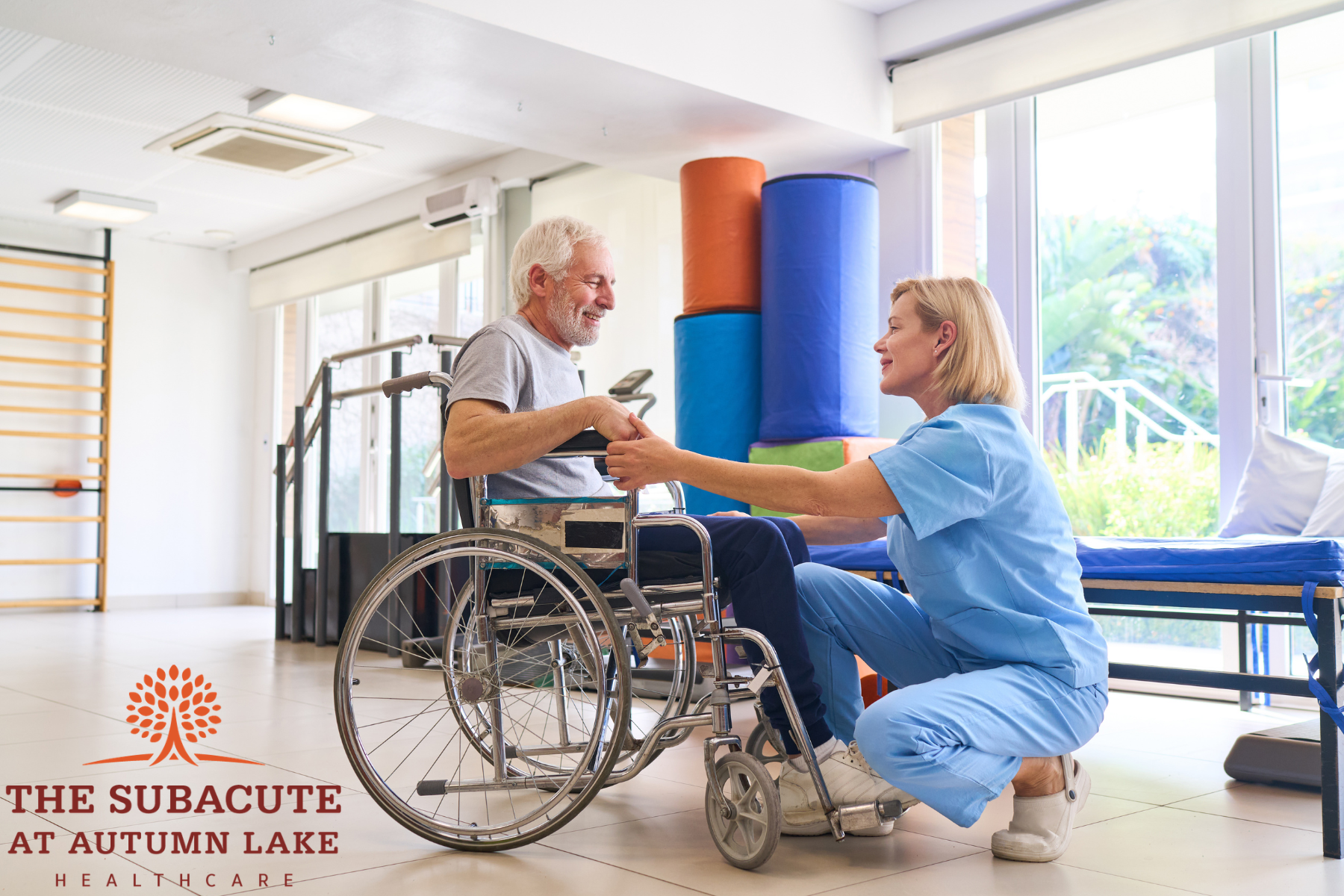
To transition from a hospital to subacute rehab, a physician must formally certify medical necessity and, for traditional Medicare coverage, verify a “3-day qualifying inpatient stay.” The process involves a coordinated referral from a hospital social worker to a subacute facility’s admissions team, followed by an insurance clinical review and the arrangement of specialized medical transportation.
The Critical Window: Understanding the Hospital-to-Rehab Pipeline
The period between hospital stabilization and rehabilitation admission is the “transition of care.” This phase is high-stakes; if the handoff lacks precision, recovery can stall. Subacute rehabilitation serves as the bridge for patients who are no longer in an acute crisis but are not yet strong enough to manage physical demands at home. Whether you are recovering from a complex surgery, a stroke, or a cardiac event, the goal of subacute care is to provide a higher frequency of therapy than one would receive at a standard nursing home in Voorhees, NJ.
Step 1: Physician Certification and the 3-Day Rule
The first hurdle is clinical documentation. A hospital physician must document that the patient requires “skilled” care—services only a licensed nurse or therapist can provide. For those utilizing traditional Medicare, the “3-day qualifying stay” is a strict requirement, meaning the patient must have been admitted as an “inpatient” for at least three consecutive midnights. During a recent audit for a senior living in Voorhees, NJ, we noted that families often confuse “observation status” with “inpatient status,” which can impact coverage. Always clarify this status with the hospital case manager early in the stay.
Step 2: Selecting the Facility and Clinical Review
Once the need for subacute care is established, the hospital’s social worker sends the patient’s clinical charts to potential facilities. This “referral packet” includes current vitals, medication lists, and physical therapy baselines. Selecting the right environment is vital; you are looking for a nursing home and rehabilitation center in Voorhees, NJ, that aligns with specific recovery goals. The receiving facility’s clinical team will review these records to ensure they have the specialized equipment and staffing levels necessary to support the patient’s acuity level.
Step 3: Insurance Pre-Authorization and Financial Planning
Before the transport is booked, insurance providers must give the “green light.” This involves a clinical coordinator from the rehab center communicating with your insurance provider to prove that the level of care requested is “medically necessary.” Understanding your coverage is essential for peace of mind. At our partner facilities, we accept Medicare, Medicaid, most private insurances, and private pay. Each of these carries different requirements for “prior authorization,” and our administrative teams work to navigate these hurdles so that the patient can focus entirely on physical progress.
Applying our “Continuum-First Clinical Framework” to Solve This
We offer rehabilitative therapy in an energetic, positive environment, where personal goals are encouraged and recovery milestones celebrated. Each resident receives an individualized recovery plan that adapts to their needs as they progress and improve. Our multidisciplinary team is known for its engaging, outcome-focused approach, which incorporates progressive, hands-on rehabilitation techniques to restore strength, mobility, and independence. This framework reduces the “transition lag” often seen in assisted living in Voorhees by ensuring therapy starts immediately upon arrival.
Step 4: The Logistical Transfer and Bedside Handoff
The final step is the physical move. Most subacute transitions require non-emergency medical transportation (NEMT), such as an ambulance or a specialized van, especially if the patient is non-ambulatory or requires oxygen. During the move to a rehabilitation center in Voorhees, the hospital nurse provides a “verbal handoff” to the receiving nurse. This ensures that the first dose of medication at the new facility is timed perfectly and that any skin integrity issues or dietary restrictions are communicated immediately to the clinical team.
A Life Centered on Wellness: The Subacute Environment
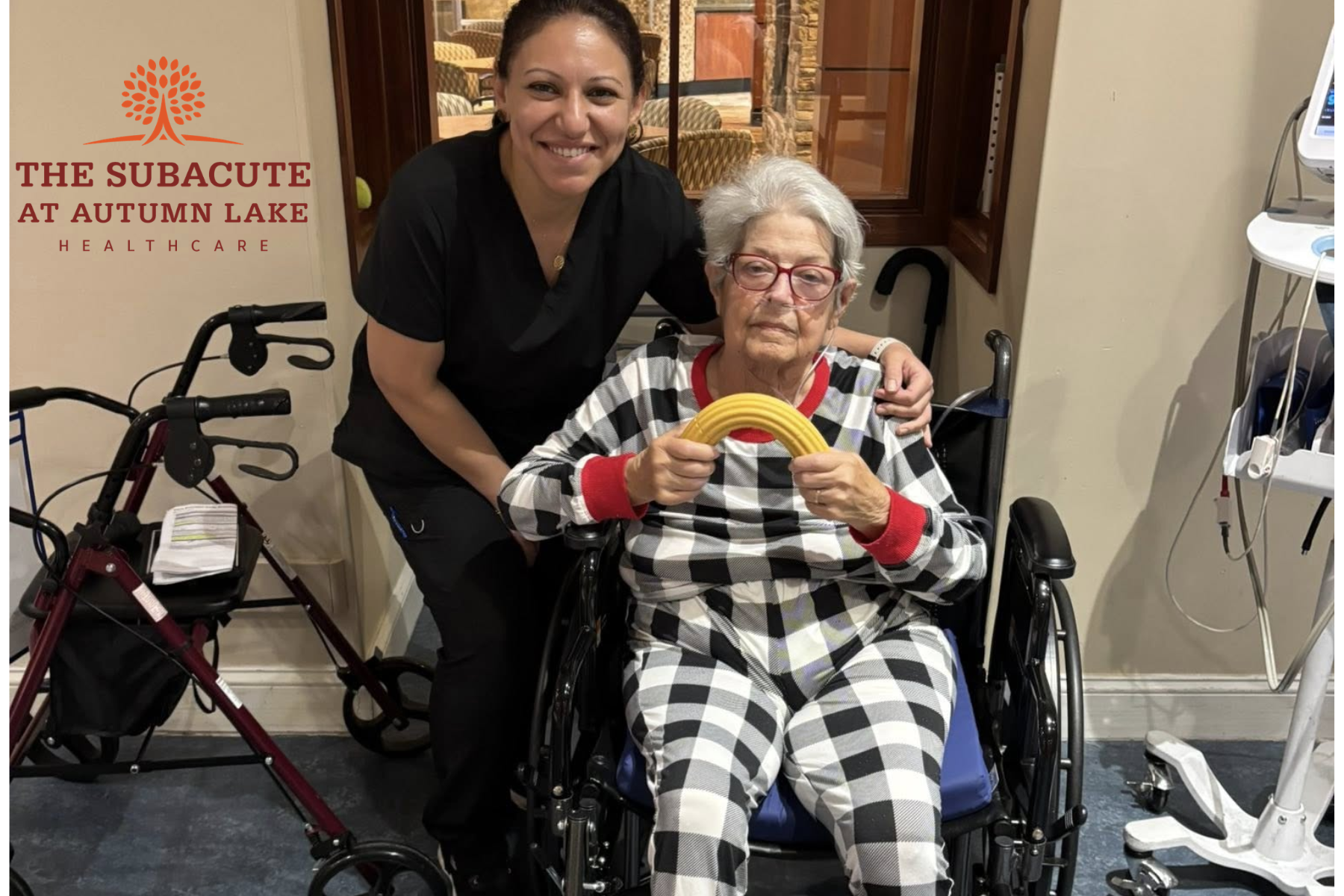
Our singular focus is on creating a warm, inviting atmosphere. Our team of physicians, nurses, and therapists works round-the-clock to merge expert medical care with a vibrant quality of life. With a daily schedule packed with activities, plenty of outdoor and indoor spaces for socializing, and a proactive approach to health and wellness, our residents can continue to lead a rich, active lifestyle. And, just like home, family members and friends are always welcome to drop by. We believe that recovery happens faster when a patient feels connected to their community.
Premium Amenities for Your Recovery Stay
To support this vibrant lifestyle, we provide an environment that mirrors the comforts of home while offering the clinical safety of a hospital:
- Private or semi-private rooms: Designed for rest and personal space.
- TVs and Internet Access: Keeping you connected.
- Lounges and activity areas: For social engagement and relaxation.
- Full-service dining options: Residents enjoy a delightful dining experience and can choose to join us in our dining room or stay in the privacy of their own room.
- Phone for each guest/resident: Ensuring direct lines of communication.
- Housekeeping, Laundry, and Linen services: Allowing the resident to focus solely on rehabilitation.
Debunking the Myth: “The Hospital Decides Exactly Where You Go”
A common industry misconception is that the hospital discharge planner has the final authority on where a patient is placed. In reality, Patient Choice Laws mandate that the patient and their family have the right to select their preferred facility. While a social worker may provide a list of local options, the ultimate decision rests with you. You are encouraged to tour facilities and check clinical outcomes before selecting the environment that best fits your needs.
Frequently Asked Questions
Does Medicare pay for 100% of subacute rehab? Medicare Part A typically covers 100% of the cost for the first 20 days of a stay in a skilled nursing facility, provided there was a 3-day qualifying hospital stay. From days 21–100, there is a daily co-insurance requirement.
What is the difference between subacute care and a regular nursing home? Subacute care is short-term and goal-oriented, focusing on intensive therapy to return a patient home. A regular nursing home often refers to long-term custodial care for those who need ongoing assistance with daily living activities.
How many hours of therapy will I receive in subacute rehab? Most subacute patients receive between 1 and 2 hours of therapy per day, spread across physical, occupational, and speech therapy disciplines based on their specific tolerance.
To Sum Up
At Autumn Lake Healthcare, we are dedicated to helping you or your loved one regain the strength needed to return to the life you love. Experience the difference of a clinical team that treats you like family.
Ready to plan your transition? Contact us today or schedule a tour to learn more about our outcome-focused approach and premium amenities.