Subacute rehabilitation typically lasts between three and five weeks, though individual stays may range from fourteen days to several months, depending on medical complexity. The total duration is determined by how quickly a patient reaches specific functional milestones, such as walking independently or managing medications, to ensure a safe transition back to their home environment.
Understanding the Subacute Rehab Timeline
When a patient transitions from a hospital to a recovery setting, the most pressing question is usually: “When can I go home?” Subacute care serves as the vital bridge between an intensive hospital environment and the independence of home life. Unlike acute rehabilitation, which requires three hours of rigorous therapy daily, subacute care offers a paced, comprehensive approach for those who need medical monitoring alongside physical, occupational, or speech therapy.
The length of stay is a dynamic figure based on milestone achievement. During recent clinical reviews for families seeking subacute care in Voorhees, we found that the most successful outcomes occur when the timeline is treated as a flexible roadmap. A patient isn’t discharged based on a calendar date, but rather when their clinical team confirms they can navigate their home environment safely.
Average Length of Stay by Medical Condition
To help you plan for the weeks ahead, it is useful to look at industry averages. While every patient heals at a different rate, these ranges represent the standard recovery windows seen at a high-quality rehabilitation center in Voorhees, NJ.
| Condition Category | Estimated Duration | Primary Therapy Focus |
| Orthopedic (Hip/Knee/Fracture) | 2 – 4 Weeks | Mobility and weight-bearing |
| Stroke & Neurological Recovery | 4 – 8 Weeks | Speech, motor skills, and cognition |
| Cardiac & Post-Surgical Care | 3 – 5 Weeks | Endurance and wound management |
| Complex Medical/Pulmonary | 3 – 6 Weeks | Respiratory weaning and vitals stability |
4 Key Factors That Influence Recovery Speed
The difference between a 15-day stay and a 40-day stay often comes down to specific clinical and environmental variables.
- Prior Level of Function (PLOF): This is the baseline of what a patient could do before their illness. A patient who was active before surgery will generally navigate Voorhees subacute rehab faster than someone who already requires mobility assistance.
- Severity of the Acute Event: A minor fracture heals faster than a complex trauma involving multiple surgical sites or underlying infections.
- Consistency in Therapy: Participation is the engine of recovery. Patients who engage in their scheduled 1.5 to 2 hours of therapy daily see a compounding effect on their strength and coordination.
- Home Support System: If a patient lives alone in a multi-story house, the “bar” for a safe discharge is higher than for someone returning to a single-level residence with 24/7 family support.
Our Approach: The Restorative Hospitality Model
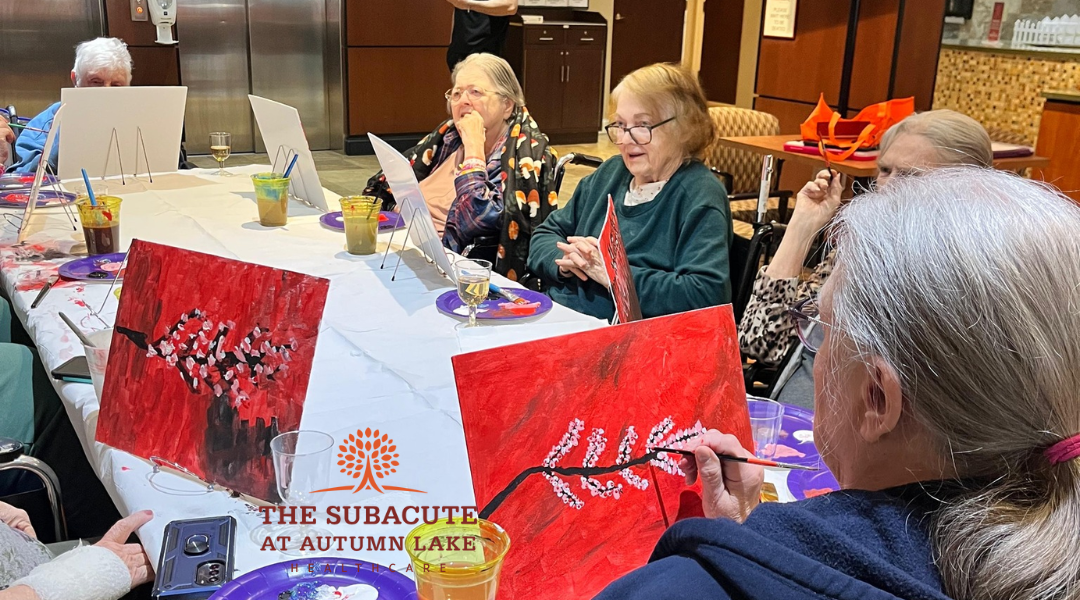
At The Subacute at Autumn Lake Healthcare, we recognize that healing is an emotional and environmental process as much as a physical one. We address the “recovery plateau” by integrating our proprietary Restorative Hospitality model. This approach ensures that a clinical setting never feels institutional, which significantly lowers patient stress and accelerates progress.
The hotel-like facility maintains a peaceful environment where residents enjoy a restful, relaxing, and rejuvenating experience in the capable hands of our warm and caring staff. By providing round-the-clock skilled nursing for a wide range of complex medical conditions, we ensure that every clinical need is met without sacrificing personal comfort.
Premium Amenities and Services:
- Delightful Dining Experience: Residents can choose to join us in our communal dining room for social engagement or stay in the privacy of their own room for a quiet, reflective meal.
- Accommodations: We offer private or semi-private rooms equipped with individual TVs and high-speed internet access to keep guests connected to their loved ones.
- Daily Conveniences: Our guests have access to comfortable lounges, activity areas, in-room phones, and full-service housekeeping and laundry/linen services.
- Financial Flexibility: To streamline the admission process for Voorhees subacute patients, we accept Medicare, Medicaid, most private insurances, and private pay options.
Common Misconception: The “20-Day Rule.”
A persistent industry myth is that subacute rehab is “always 20 days” because of how Medicare structures its payments. Many families mistakenly believe they are entitled to exactly 20 days, or conversely, that they are forced to leave once that window closes.
In reality, recovery is governed by “Medical Necessity.” Under Medicare, if a patient meets their goals on Day 12, they are discharged because they no longer require skilled intervention. If a patient is still making measurable progress on Day 21, they can continue their stay. The decision to transition to assisted living in Voorhees, NJ, or return home is always based on functional safety, not an insurance calendar.
Subacute Rehab Specification Glossary
- ADLs (Activities of Daily Living): Basic self-care tasks like dressing and bathing are used to measure discharge readiness.
- Interdisciplinary Team (IDT): The group of experts (Physicians, PT, OT, SLP, Nursing, Social Work) managing the stay.
- Modality: Specific treatments used in therapy, such as ultrasound, e-stim, or specialized heat/cold packs.
- Discharge Disposition: The formal recommendation for where a patient goes after rehab (e.g., Home with Home Health).
Frequently Asked Questions
What happens if I stop making progress in rehab?
If a patient “plateaus” and is no longer showing measurable improvement, insurance may issue a notice of non-coverage. At this point, our social workers help coordinate the next level of care.
Is subacute rehab the same as a nursing home?
No. Subacute rehab is short-term and goal-oriented, specifically designed to return you to your prior living situation.
Can my family visit during the day?
Yes. We encourage family involvement in our lounges and activity areas, as it boosts morale and helps caregivers learn how to assist with mobility before the patient returns home.
To Sum Up
At The Subacute at Autumn Lake Healthcare, we combine clinical excellence with the comforts of a boutique hotel. Our team is dedicated to helping you regain your independence on a timeline that respects your unique healing process.
Ready to start your journey home? Visit us to schedule a tour or contact us today to discuss your personalized recovery plan.