Short-term care is a comprehensive medical service providing 24/7 skilled nursing, physician-led supervision, and intensive physical, occupational, and speech therapies designed to transition patients from a hospital to their home. Beyond basic rehabilitation, it integrates advanced clinical services like wound care and IV therapy with high-end hospitality to ensure a holistic recovery for those healing from surgery or acute illness.
Beyond the Gym: The Clinical Reality of Short-Term Care
When most people hear the term “short-term care,” they immediately visualize a physical therapy gym. While strength and mobility are cornerstones of recovery, the clinical reality is far more complex. Short-term care acts as a critical bridge between the intensive environment of a hospital and the independence of home life. This is especially true for families seeking Voorhees subacute services, where the focus is on medical stabilization just as much as physical movement.
A high-quality program includes a multidisciplinary team of board-certified physicians, registered nurses, and licensed therapists who collaborate daily. For a patient recovering from a joint replacement or a cardiac event, “care” includes monitoring vital signs, managing complex medication schedules, and preventing post-surgical complications like infections or blood clots. It is a protective bubble where medical professionals ensure that your progress in the gym isn’t sidelined by a setback in your general health.
The Pillars of Subacute Recovery
To understand what you are truly getting, it helps to break the service down into three distinct clinical pillars. These aren’t just “extra” features; they are the requirements for a safe discharge. For those exploring Voorhees, NJ subacute care options, the distinction is clear: the short-term wing is a high-energy environment where the clock is always ticking toward your homecoming date.
1. Skilled Nursing and Medical Oversight
Unlike a home health aide who may visit for an hour a day, short-term care provides 24-hour nursing. This includes IV antibiotic therapy, specialized wound care for surgical sites, and diabetic management. Patients benefit from this high-level monitoring in an environment that feels significantly less sterile than a traditional hospital ward.
2. The Triple Threat of Therapy
- Physical Therapy (PT): Focuses on “gross motor skills”, walking, climbing stairs, and standing balance.
- Occupational Therapy (OT): Focuses on “fine motor skills” and Activities of Daily Living (ADLs), such as dressing, cooking safely, or using the restroom independently.
- Speech-Language Pathology (SLP): Essential for those who have experienced a stroke or neurological event, focusing on swallowing safety and cognitive communication.
3. Psychosocial and Nutritional Support
Recovery is a metabolic tax on the body. Short-term care includes the expertise of registered dietitians who ensure your caloric intake supports tissue repair. Furthermore, social workers help navigate the complexities of insurance and the logistics of returning home to Voorhees, NJ.
Short-Term Recovery vs. Long-Term Nursing
There is a frequent misunderstanding regarding the difference between a “nursing home” and a “subacute rehab” center. While they may exist under the same roof, the goals, pace, and daily life are vastly different. When researching Voorhees subacute rehab facilities, it is vital to look at the discharge rates to see how effectively a center moves patients back to independence.
| Feature | Short-Term Subacute Care | Long-Term Skilled Nursing |
| Primary Goal | Rapid Recovery & Discharge | Quality of Life & Maintenance |
| Daily Schedule | 1–3 hours of intensive therapy | Life enrichment and social activities |
| Length of Stay | Usually 10 to 30 days | Permanent or indefinite |
| Environment | Clinical yet hospitality-focused | Residential and “home-like.” |
The Autumn Sanctuary: Our Signature Recovery Experience
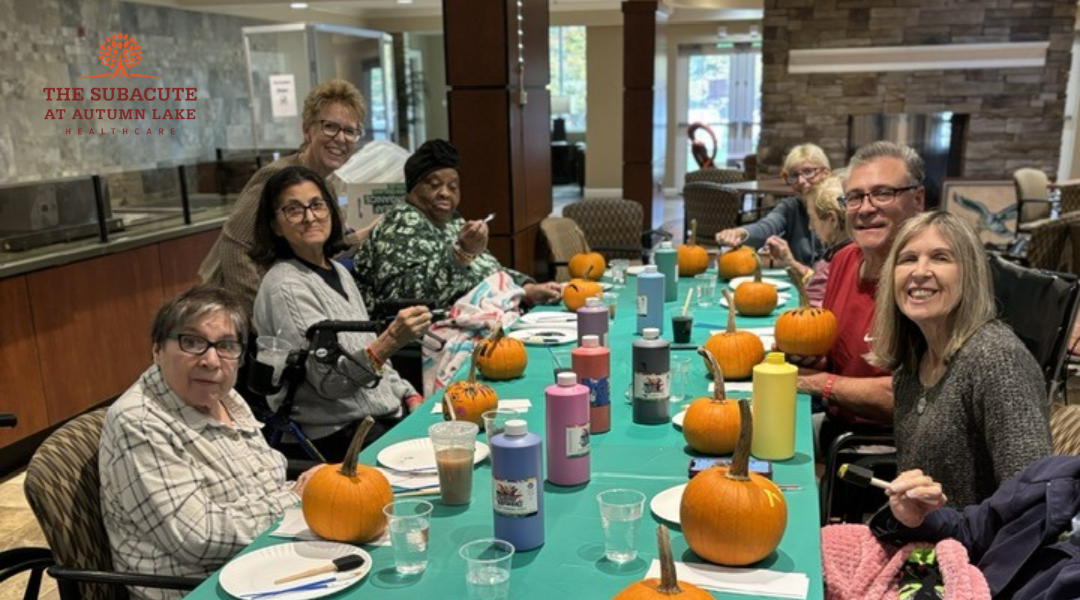
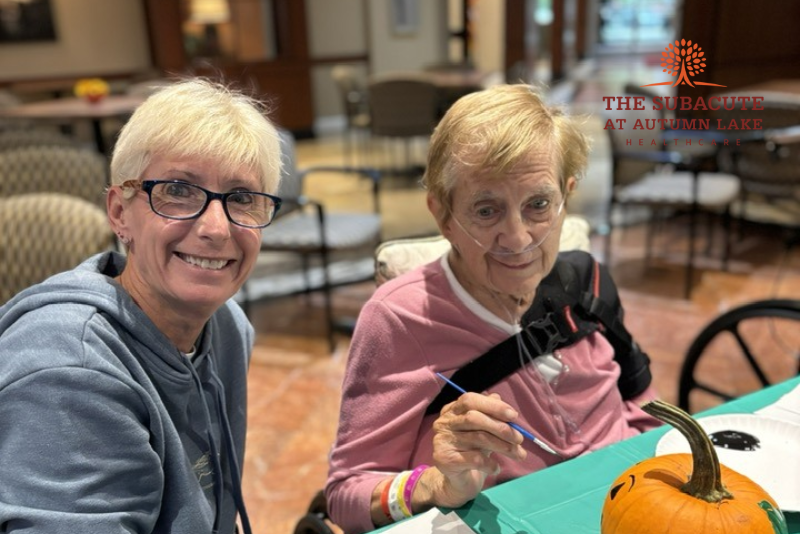
We believe that the environment is just as curative as medicine. Our facility maintains a peaceful environment where residents enjoy a restful, relaxing, and rejuvenating experience in the capable hands of our warm and caring staff. In addition to subacute rehabilitation, we are known for excellence in long-term care, providing round-the-clock skilled nursing for a wide range of complex medical conditions, including Voorhees advance subacute needs.
Our recovery experience is built on the following standards:
- The Culinary Distinction: We provide a gourmet dining experience, prepared by our very own culinary chef under the direction of a registered dietitian. We believe that “food is medicine,” and a patient who enjoys their meals has the energy to participate in therapy.
- The Comfort Protocol: Healing requires rest. Our facility provides private or semi-private rooms equipped with TVs, internet access, and a phone for each guest/resident. This allows patients to stay connected to their loved ones, reducing the isolation often felt during recovery.
- The Environmental Harmony: Beyond the rooms, we offer beautiful lounges and activity areas, full-service dining options, housekeeping services, and laundry and linen service.
This model ensures that while you are receiving clinical care, you feel like a guest in a high-end retreat rather than a patient in a sterile facility.
Debunking the Myth: “I Can Just Do This at Home”
A common industry misconception is that home health care is “just as good” as an inpatient subacute stay. While home health has its place, the “gap” in care is where the danger lies. At home, if a patient falls at 2:00 AM or experiences a sudden reaction to a new medication, there is no one there to intervene immediately. In a dedicated subacute setting, the risk of hospital readmission is significantly lower. For families researching Voorhees, NJ nursing homes, it’s important to realize that a short-term stay provides a level of safety and intensity that a visiting nurse simply cannot replicate.
What to Expect: Your 5-Step Recovery Journey
If you or a loved one is preparing for a stay, here is the roadmap of what a comprehensive short-term care plan actually looks like:
- The Admission Assessment: Within hours of arrival, our clinical team evaluates your surgical site, your medications, and your current mobility level.
- The Goal-Setting Phase: You meet with your therapy team to decide what “success” looks like. Is it walking to the mailbox? Is it being able to drive again?
- The Intensive Interval: For the duration of your stay, you will engage in daily therapy sessions designed to push your boundaries safely.
- Care Coordination Meetings: We meet with your family to discuss progress and ensure everyone is on the same page regarding the discharge date.
- The Home Transition: Before you leave, we ensure your home is ready. We help coordinate any equipment you might need, like walkers or shower chairs, and ensure your follow-up appointments are scheduled.
Frequently Asked Questions
Does Medicare pay for short-term care?
Yes, Medicare typically covers short-term subacute care for a limited period (up to 100 days) following a qualifying three-day hospital stay. We accept Medicare, Medicaid, most insurances, and private pay.
How long is a typical “short-term” stay?
While every recovery is different, most patients stay between 10 and 21 days. The goal is always to get you home as quickly and safely as possible.
Can my family visit during my rehab?
Absolutely. We encourage family involvement, as they are a crucial part of the support system. Our lounges and activity areas are designed for visiting.
To Sum Up
At Autumn Lake Healthcare, we don’t just provide a bed; we provide a pathway back to your life. Our warm, caring staff and “Autumn Sanctuary” approach ensure that your recovery is as comfortable as it is effective. Whether you are coming to us from a hospital or a local neighborhood, you will find excellence in both subacute rehabilitation and long-term care.
Ready to see the difference for yourself?
Schedule a tour of our facility today and experience a rejuvenating recovery in the hands of experts.